If you are drawn to Greenwich Village, you are probably not looking for a cookie-cutter home. You may be weighing the charm of a townhouse against the character of a prewar apartment, while also trying to avoid expensive surprises. This guide will help you understand how Greenwich Village housing stock, ownership structures, and preservation rules can affect your search and your long-term costs. Let’s dive in.
Greenwich Village Homes Vary Widely
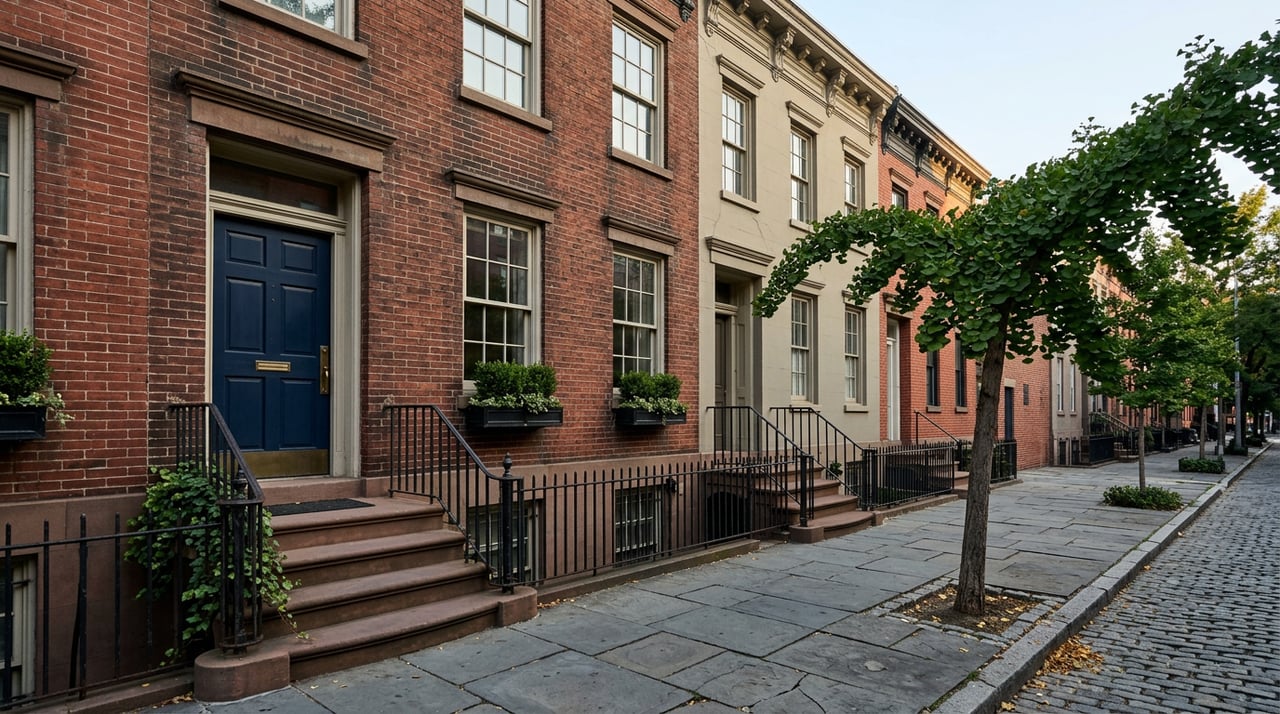
One of the first things to know about Greenwich Village is that the housing stock is unusually mixed. The Greenwich Village Historic District, designated in 1969, remains one of New York City’s largest historic districts, with more than 2,000 buildings across 65 blocks. Across the broader area, building types include rowhouses, tenements, French flats, apartment buildings, factories, stables, and warehouses.
For you as a buyer, that means two homes on the same block can function very differently. One listing may be a classic townhouse, while another may be a unit in a converted multiple dwelling or an early apartment building. That variety is part of the Village’s appeal, but it also means renovation history, layout, and ownership rules can differ sharply from address to address.
Townhouses vs Prewar Homes
What a townhouse can offer
A Greenwich Village townhouse often appeals to buyers who want privacy, scale, and control. Depending on the property, you may have multiple floors, outdoor space, and a stronger sense of separation from neighbors than you would in a traditional apartment building.
That said, townhouse ownership often comes with more direct responsibility. Exterior conditions, facade upkeep, roof work, windows, masonry, stoops, and other visible elements can become major budget items. If the property is landmarked or in a historic district, many of those projects may also require approval before work begins.
What a prewar home can offer
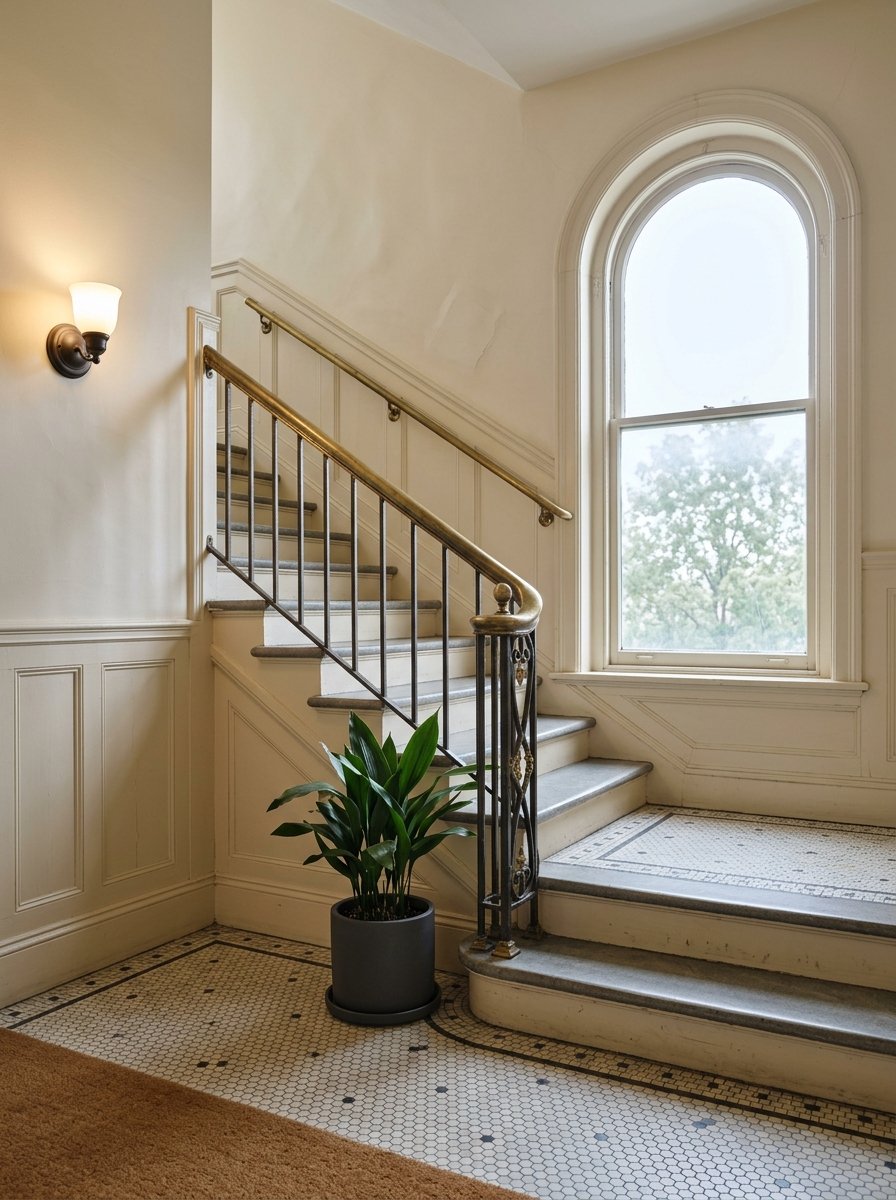
A prewar apartment or co-op can appeal to buyers who value architectural detail and established building character. In Greenwich Village, these homes may sit in older apartment buildings or smaller converted properties, and the daily ownership experience is often shaped as much by the building as by the apartment itself.
In practical terms, prewar homes may feel more vertical or compartmentalized than newer condos. That is not a rule for every listing, but it is a reasonable expectation given the neighborhood’s older stock of rowhouses, multiple dwellings, and French flats. If you are comparing these homes to newer downtown product, layout efficiency may be one of the biggest differences.
Historic District Rules Matter
Before you fall in love with a facade or start planning renovations, confirm whether the property is in a historic district or is an individual landmark. In those cases, the New York City Landmarks Preservation Commission, or LPC, requires approval before most work begins.
Some ordinary repairs do not usually need review, such as replacing broken window glass or repainting a door the same color. But exterior changes, rear-yard additions, demolitions, stoop or cornice changes, and many window or masonry projects can trigger permits. For buyers used to newer condos or rentals, this can be one of the biggest adjustments.
Why this matters during your search
A landmarked property can be deeply rewarding to own, but you should go in with clear expectations. Even work that feels routine may involve an approval process, permit conditions, and preservation standards tied to the building’s exterior features.
LPC also expects landmarked properties to be kept in good repair. Owners must maintain the building so it is protected from the elements, and neglect can lead to violations. If you are considering a townhouse, this is especially important because deferred exterior maintenance can become both a financial and administrative issue.
Look Beyond Finishes
Beautiful staging can distract from the questions that matter most in an older Village property. Whether you are buying a townhouse, condo, or co-op, it is wise to focus early on the building’s physical systems and alteration history.
According to New York Attorney General guidance, buyers should study components such as the facade, roof, windows, plumbing, electrical wiring, elevators, and heating before closing. In older buildings, these are often the areas where major costs appear. They are also the issues most likely to surface in board minutes, engineer reports, or capital project discussions.
Key systems to review
When evaluating a townhouse or prewar apartment, ask your agent and attorney to help you review:
- Roof condition and repair history
- Facade and masonry work, including pointing
- Window replacement or restoration history
- Plumbing upgrades or known issues
- Electrical wiring and panel updates
- Boiler or heating system condition
- Elevator condition, if applicable
In older buildings, these categories often drive the largest repair budgets. A polished kitchen renovation may look appealing, but a pending facade program or aging boiler can have a greater effect on your true cost of ownership.
Ownership Structure Can Shape Daily Life
In Greenwich Village, the ownership structure matters almost as much as the apartment itself. A townhouse may offer relatively direct control, while a co-op or condo comes with a different set of governance and shared obligations.
In a co-op, you buy shares in a corporation that are allocated to a specific apartment, and those shares entitle you to a long-term proprietary lease. Co-op owners pay maintenance charges based on the number of shares allocated to the apartment, and the board is elected by shareholders.
In a condo, you own the unit outright and also have an interest in the common elements. Condo owners pay common charges, can mortgage units separately, and live under rules set by the board of managers for common areas and building operations.
Read the documents carefully
If you are buying in a co-op or condo, the governing documents deserve close attention. The offering plan, bylaws, house rules, and board authority can shape everyday life in ways many buyers do not expect.
These documents may address sublets, pets, use restrictions, repair obligations, assessments, and renovation approvals. The Attorney General specifically recommends reading the entire offering plan and consulting an attorney before signing a purchase agreement. In a neighborhood with as much building variety as Greenwich Village, that advice is especially important.
Do Not Overlook Shared Exterior Elements
Some townhouse-style condo developments include shared elements that buyers may miss during a first tour. Roadways, sidewalks, drainage systems, and retaining walls can all affect future maintenance responsibilities and expenses.
New York Attorney General guidance recommends reviewing the offering plan to understand whether those features are owned by the condo or dedicated elsewhere. If you are considering a townhouse-format property within a larger development, this can be a critical point of due diligence.
Questions to Ask Before You Buy
The right questions can save you time, money, and frustration. In Greenwich Village, the most useful questions often go beyond finishes and square footage.
Here are a few to raise with your agent and attorney:
- Is the property landmarked or located within a historic district?
- What exterior work would require LPC approval?
- What do the board minutes and financial statements say about the roof, facade, boiler, windows, elevators, plumbing, or electrical systems?
- Do the bylaws or house rules address sublets, pets, assessments, or renovation approvals?
- If this is a townhouse-type development, who owns the walkways, drainage systems, retaining walls, or surrounding grounds?
Each answer helps you understand not just what you are buying, but how ownership will actually feel after closing.
How to Buy More Confidently
Greenwich Village rewards buyers who look closely. The neighborhood’s architectural variety is part of what makes it so compelling, but it also means no two deals are quite the same.
A smart purchase here usually comes down to disciplined due diligence. You want to understand the building type, confirm whether LPC oversight applies, review the condition of major systems, and read the governing documents with care. When you do that work upfront, you can better weigh charm, flexibility, and long-term cost.
If you are considering a townhouse or prewar home in Greenwich Village, calm and informed guidance matters. For tailored advice on navigating complex downtown inventory, connect with The De Niro Team.
FAQs
What makes Greenwich Village homes different from newer condos?
- Greenwich Village has a wide mix of older building types, including rowhouses, French flats, tenements, and early apartment buildings, so layouts, renovation history, and ownership rules often differ more than they do in newer condo developments.
What should buyers know about Greenwich Village historic district rules?
- If a property is landmarked or located within a historic district, many exterior changes may require LPC approval before work begins, including some window, masonry, stoop, cornice, demolition, and addition projects.
What building systems should buyers review in a prewar Greenwich Village home?
- Buyers should closely review the facade, roof, windows, plumbing, electrical wiring, heating systems, and elevators where applicable, since these are common sources of major repair costs in older buildings.
What is the difference between a co-op and a condo in Greenwich Village?
- In a co-op, you buy shares in a corporation tied to a specific apartment and pay maintenance charges, while in a condo, you own the unit outright, pay common charges, and hold an interest in the common elements.
What documents should buyers review before purchasing a Greenwich Village co-op or condo?
- Buyers should review the offering plan, bylaws, house rules, board minutes, financial reports, and any information related to building systems, assessments, posted violations, and renovation rules.
What should buyers ask about townhouse-style condo developments in Greenwich Village?
- Buyers should ask who owns and maintains surrounding features such as sidewalks, walkways, drainage systems, retaining walls, and other shared exterior elements, since those responsibilities may affect future costs.