If you are drawn to downtown Manhattan but keep circling the same question, is Tribeca actually the right fit, you are not alone. Many buyers love the idea of Tribeca’s lofts, cobblestone streets, and quiet prestige, but they also wonder how it stacks up against SoHo, the West Village, and the Financial District. This guide will help you compare those choices in practical terms, from price and space to street feel and daily lifestyle, so you can narrow in on the neighborhood that suits you best. Let’s dive in.
Why Tribeca Stands Out
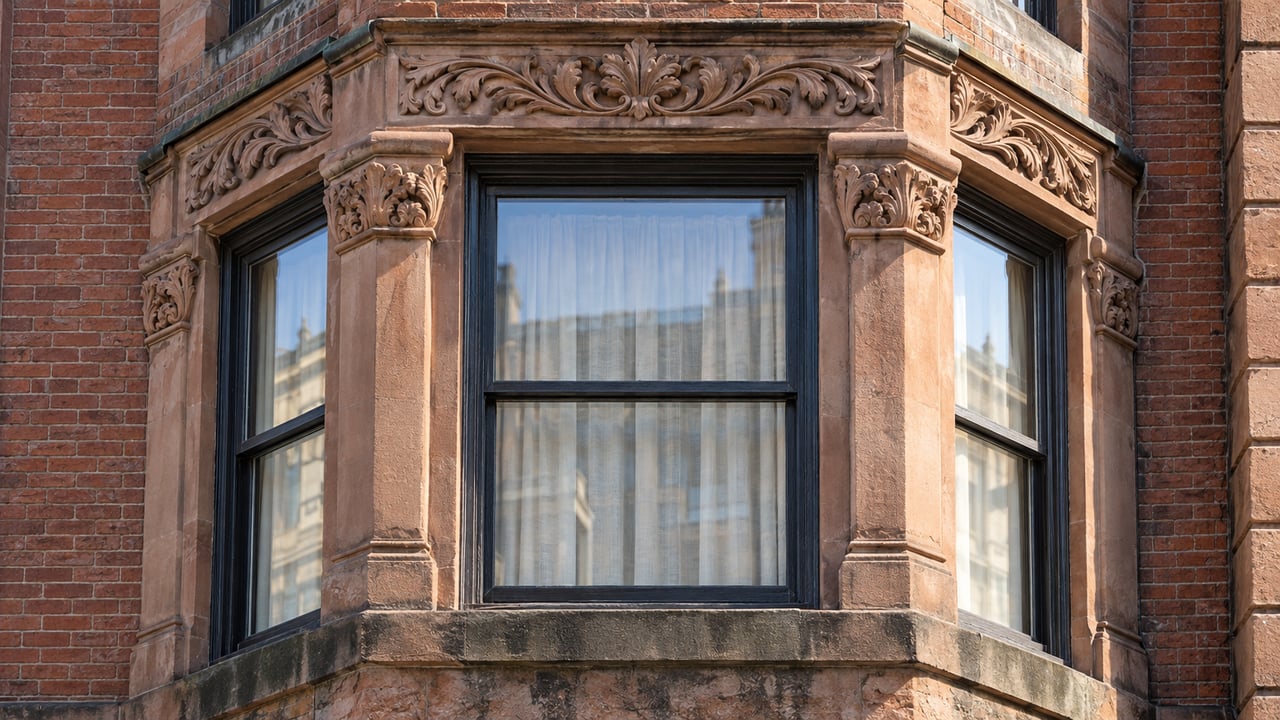
Tribeca has a distinct identity within downtown Manhattan. Its 19th-century store-and-loft buildings, landmarked streetscapes, and mix of historic architecture with newer luxury development give it a look and feel that is hard to replicate elsewhere.
Just as important, Tribeca tends to feel calmer than many nearby neighborhoods. StreetEasy describes it as a downtown area with quiet cobblestone streets and impressive loft buildings, and that sense of tranquility is a big part of its appeal.
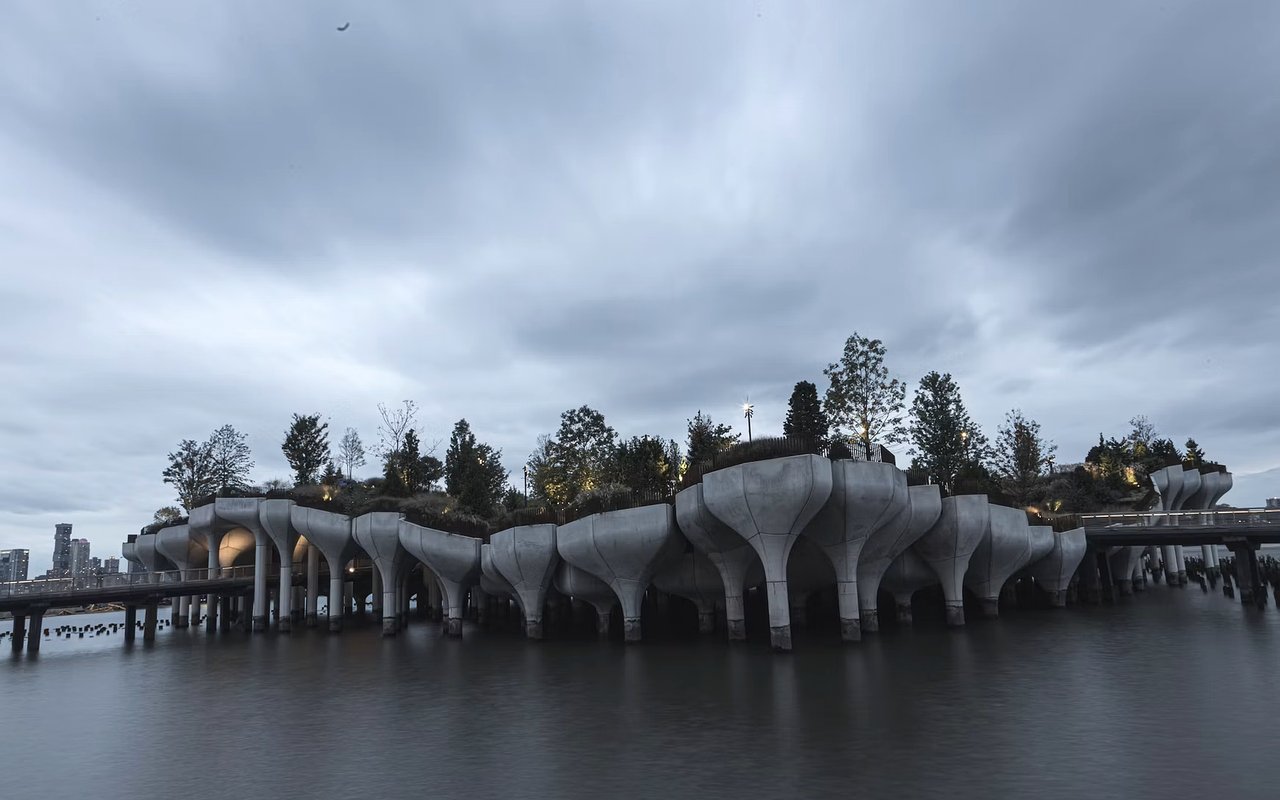
The neighborhood also benefits from meaningful open space. Hudson River Park adds waterfront access through Pier 25, Pier 26, and the surrounding green space, while Bogardus Plaza offers a quieter public gathering spot between busier streets.
Tribeca Pricing at a Glance
Tribeca sits at the top of the downtown market. According to StreetEasy’s 2025 year-in-review, the median asking price in Tribeca is $3.985 million, and the median asking rent is $7,900.
That places it in nearly the same sales tier as SoHo, while leading this group on rental pricing. By comparison, the West Village and Financial District offer lower asking prices and rents.
| Neighborhood | Median Asking Price | Median Asking Rent |
|---|---|---|
| Tribeca | $3.985M | $7,900 |
| SoHo | $3.995M | $5,995 |
| West Village | $1.775M | $5,495 |
| Financial District | $1.199M | $4,695 |
On paper, Tribeca is not the budget choice. You are typically paying for a combination of space, calm, location, and neighborhood prestige.
Tribeca vs SoHo
Choose SoHo for energy
If you want a more active street scene, SoHo is Tribeca’s closest competitor. It shares the loft-driven appeal that many downtown buyers want, but the day-to-day atmosphere is very different.
StreetEasy describes SoHo as fast-paced and bustling, and that tracks with its strong retail presence, heavier foot traffic, and more tourist activity. If shopping, restaurants, and constant movement are important to you, SoHo may feel more exciting and more convenient.
Choose Tribeca for calm
Tribeca offers a quieter version of downtown luxury. Instead of being shaped by retail corridors, it is better known for residential streets, loft buildings, and riverfront access.
For many buyers, the difference between Tribeca and SoHo is less about price and more about how you want your home environment to feel. SoHo leans energetic and busy. Tribeca leans composed and residential.
Compare the housing feel
Both neighborhoods are known for loft character. SoHo’s former textile factories helped create the open-floor-plan loft product that defines much of the area, while Tribeca also offers loft-heavy stock with a meaningful townhouse presence.
If your priority is classic downtown architecture with a more peaceful setting, Tribeca often comes out ahead. If you want that loft character plus a stronger retail and dining scene at your doorstep, SoHo may be the better match.
Tribeca vs West Village
Choose West Village for charm
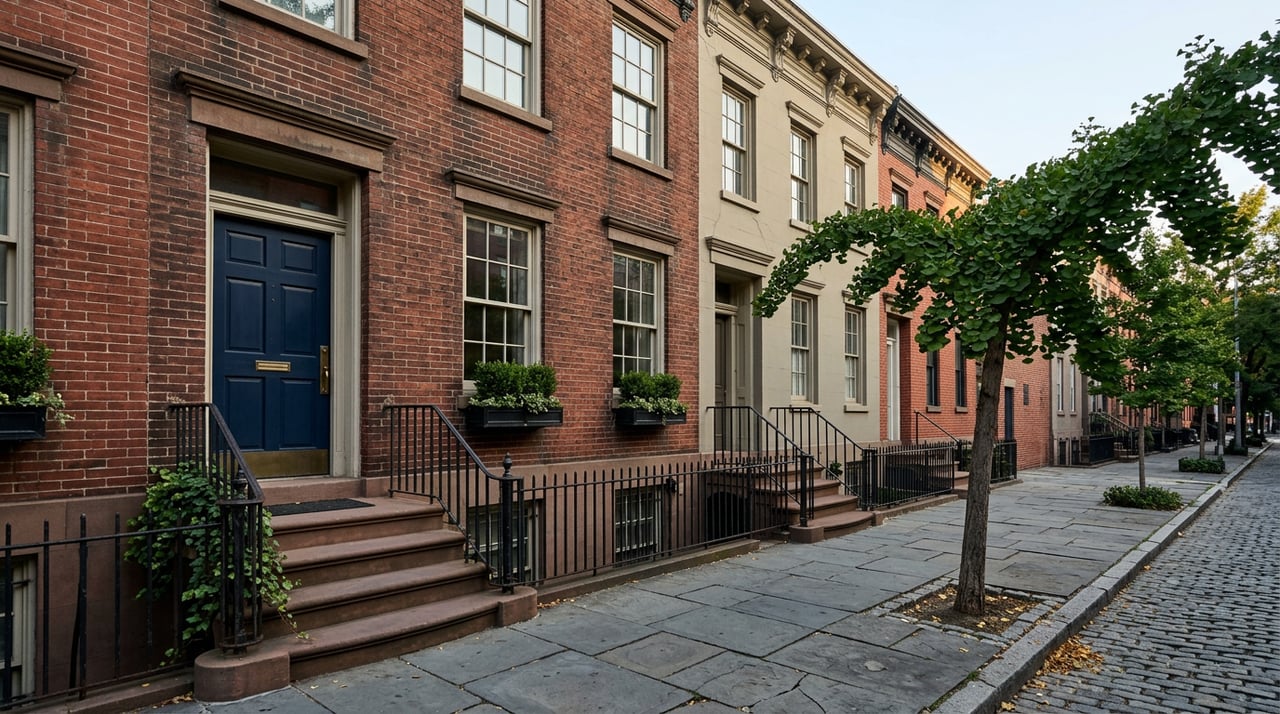
The West Village has a very different kind of appeal. It is known for curving streets, historic architecture, townhouses, and older walk-ups, which gives it a more intimate and small-scale feel.
StreetEasy describes the neighborhood as serene and sophisticated, with housing stock that is mostly historic townhouses and walk-ups. For buyers who want atmosphere, charm, and a highly walkable setting, that can be very compelling.
Choose Tribeca for volume
Where Tribeca usually pulls ahead is interior scale. Buyers looking for loft-like proportions, larger-feeling homes, or a more modern luxury footprint often find more of that in Tribeca than in the West Village.
That difference matters if you are comparing not just neighborhood personality, but also how your home will function day to day. If you need more open living space, Tribeca generally offers a stronger fit.
Compare value and feel
The West Village median asking price is $1.775 million, well below Tribeca’s $3.985 million. That lower figure does not make the West Village less desirable. It reflects a different housing mix, with more small-scale historic product and less of the loft volume that drives many Tribeca purchases.
In simple terms, the West Village tends to win on charm, while Tribeca tends to win on space and downtown luxury presence. If your lifestyle depends on square footage and openness, Tribeca may justify the premium.
Tribeca vs Financial District
Choose FiDi for value
The Financial District is the clearest value option among these four neighborhoods. StreetEasy’s 2025 review places its median asking price at $1.199 million and median asking rent at $4,695, which is a meaningful discount compared with Tribeca.
For buyers focused on budget, newer buildings, or amenity-rich condo living, FiDi can be a practical downtown choice. It also benefits from broad subway access and a large supply of more modern residential product.
Choose Tribeca for identity
FiDi is increasingly residential, but it still has a different feel from Tribeca. StreetEasy notes that it can feel busy during the day and lower-energy at night, which reflects its office and visitor-driven rhythm.
Tribeca, by contrast, has a more established residential identity. Its quieter streets, historic built environment, and stronger neighborhood character give it a different kind of long-term appeal for buyers who want a classic downtown home base.
Compare the housing stock
FiDi often appeals to buyers who want renovated apartments, waterfront views, and newer condos with amenities. What it usually does not offer in the same way is Tribeca’s classic loft or townhouse feel.
So if your priority is newer product and lower entry pricing, FiDi deserves a serious look. If you are paying for neighborhood identity, architectural character, and a more established residential brand, Tribeca is often the stronger choice.
Key Trade-Offs to Think About
Space and layout
If you want loft-heavy inventory and larger-feeling interiors, Tribeca and SoHo stand out most clearly. Tribeca also has a meaningful townhouse component, while the West Village generally offers less interior volume because so much of its stock is older and smaller in scale.
FiDi brings newer condo inventory to the table, but not the same loft or townhouse character. Your best choice depends on whether you value square footage, layout openness, or newer finishes more.
Quiet or activity
This may be the single most important lifestyle filter. Tribeca is widely seen as the calmest of the premium downtown options, SoHo is the busiest, the West Village is calm but still lively, and FiDi tends to be busy by day and quieter at night.
If you want your home to feel like a retreat, Tribeca has a strong case. If you want energy outside your front door, SoHo may be more your speed.
Parks and open space
Tribeca has an edge if outdoor access matters to you. Its stretch of Hudson River Park includes Pier 25, Pier 26, and waterfront open space, and Bogardus Plaza adds another public amenity within the neighborhood.
That combination supports a more relaxed daily rhythm than many buyers expect from downtown Manhattan. It is one reason Tribeca often appeals to buyers who want both city access and breathing room.
Transit and convenience
Tribeca and FiDi are both strong transit-oriented choices. If your daily routine depends on quick subway access and easy movement around the city, both neighborhoods perform well on that front.
The better choice comes down to what you want once you get home. FiDi is more value-driven and modern, while Tribeca is more residential in feel.
Who Tribeca Is Best For
Tribeca tends to make the most sense if you are comfortable paying near-SoHo pricing for a different kind of downtown experience. The premium is usually about calm streets, larger-feeling homes, waterfront access, and a strong prestige factor rather than nonstop activity.
It can be especially appealing if you are deciding between lifestyle quality and simple price efficiency. Buyers who want a home that feels quieter, more spacious, and more rooted in classic downtown architecture often find that Tribeca checks boxes other neighborhoods do not.
There is also a reasonable market case for Tribeca’s enduring appeal. Its landmarked character, limited historic stock, and sustained pricing suggest a scarcity-driven value story over time, though that should be viewed as a market tendency rather than a promise.
The Bottom Line on Tribeca
Tribeca is not the right choice for everyone, and that is exactly the point. If you want the most retail energy, SoHo is likely a better fit. If you want intimate charm, the West Village may feel more natural. If you want the lowest asking price and newer inventory, FiDi offers the clearest entry point.
But if you want quiet prestige, loft scale, waterfront access, and a distinctly residential version of downtown Manhattan, Tribeca stands in a class of its own. For many buyers, that combination is what makes the neighborhood worth the premium.
If you are weighing Tribeca against other downtown neighborhoods and want clear, discreet guidance tailored to your goals, The De Niro Team can help you compare the options with nuance and confidence.
FAQs
How does Tribeca compare to SoHo for buyers?
- Tribeca and SoHo are in a similar sales price tier, but Tribeca is generally calmer and more residential, while SoHo is more retail-driven, crowded, and energetic.
Is Tribeca more expensive than the West Village?
- Yes. StreetEasy’s 2025 figures show a median asking price of $3.985 million in Tribeca versus $1.775 million in the West Village.
What makes Tribeca different from the Financial District?
- Tribeca is known for a stronger residential identity, quieter streets, historic loft buildings, and waterfront park access, while FiDi is usually the lower-priced option with more modern condo inventory.
Is Tribeca a good fit if you want more space downtown?
- Yes. Among these downtown options, Tribeca is one of the strongest choices for loft-heavy inventory and larger-feeling interiors.
Why do buyers choose Tribeca over other downtown neighborhoods?
- Buyers often choose Tribeca for its combination of calm streets, architectural character, riverfront access, and premium downtown positioning.