If you are buying on the Upper East Side, one address detail can change your daily experience more than you might expect. A home near the park, on a quieter midblock, or farther east can feel very different even within a short walk. Understanding those differences can help you buy with more confidence, compare value more clearly, and avoid costly assumptions. Let’s dive in.
Why the Upper East Side Feels So Different Block by Block
The Upper East Side is not one uniform market. According to the NYU Furman Center’s 2026 neighborhood profile, the neighborhood had 224,027 residents in 2024, a median household income of $168,780, and a 37.9% homeownership rate. It also added 4,025 housing units from 2010 to 2025, with 85% of that growth in market-rate housing.
That mix helps explain why you can see older housing stock and newer product in the same neighborhood. It also helps explain why buyers often describe the Upper East Side as a collection of micro-markets rather than one single buying environment. On the ground, park blocks, midblocks, and eastern corridors can offer distinct trade-offs in architecture, access, and monthly costs.
Park Blocks and Central Park Access
If direct park access is high on your list, the western edge of the neighborhood usually stands out first. Central Park Conservancy documents East Side entrances at East 60th, 64th, 72nd, 79th, 85th, and 90th Streets, which helps explain why homes closer to those blocks often attract buyers who want an easy walk into the park.
In practical terms, this part of the Upper East Side can feel especially tied to the park’s daily rhythm. If you picture morning walks, quick access to green space, or a more immediate connection to Central Park, these blocks often deliver that experience most directly. That does not make them universally “better,” but it does make them a different lifestyle choice.
Midblocks and Lower-Scale Streets
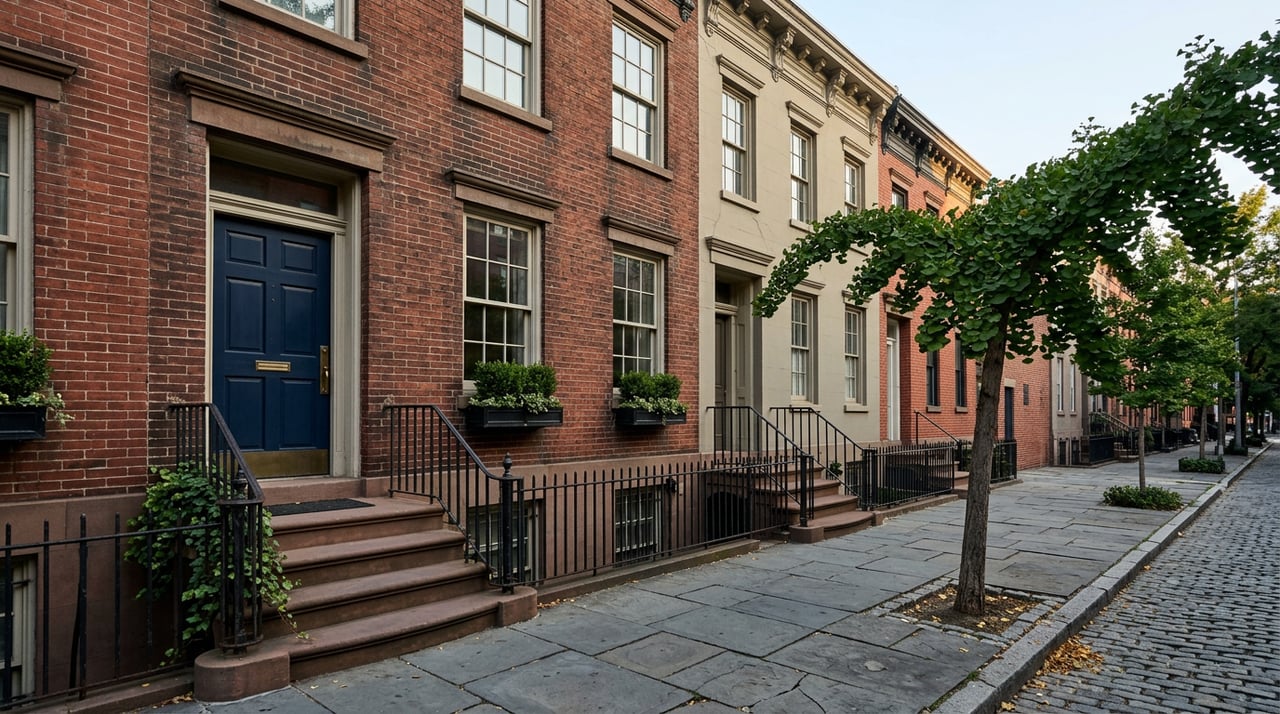
Some buyers are drawn less to park access and more to a lower-scale street feel. On the Upper East Side, the midblocks matter for that reason. The city rezoned Upper East Side midblocks to R8B in 1985 with the goal of aligning new development with neighboring buildings and preserving a lower-rise scale.
That planning history still shapes the feel of many streets today. If you want a setting that reads as quieter or more intimate in built form, these blocks can be especially appealing. They may also offer a different visual rhythm than the larger avenue buildings nearby.
East End and the Eastern Corridors
Farther east, your experience can shift again. The research shows that eastern corridor buildings may feel newer or more transit-oriented, depending on the exact avenue and building type. That can matter if your priority is convenience, a more contemporary building profile, or a different balance between location and product.
NYC DOT’s 96th Street project added 1.7 miles of bus lanes and links the corridor to seven subway lines at four stations. For some buyers, that type of connectivity is a major advantage. For others, the appeal is more about finding a building style or price structure that differs from the park-adjacent stock.
What the Building Stock Means for Buyers
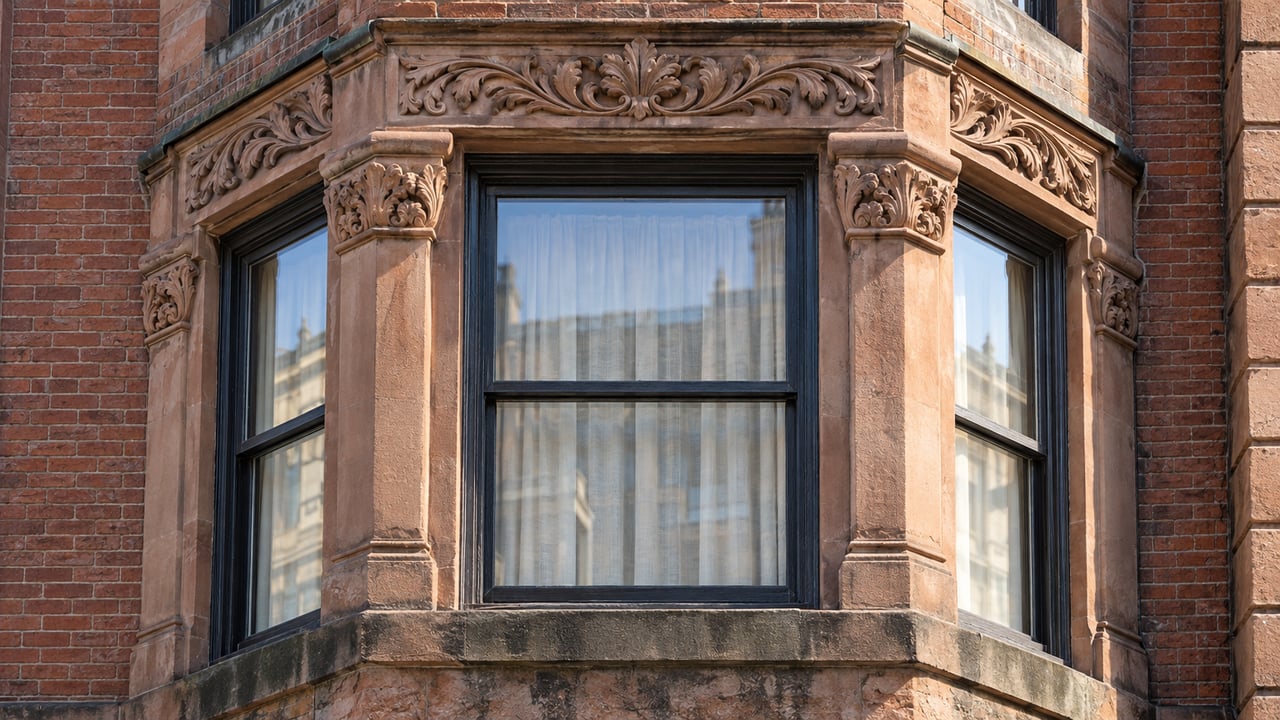
One of the Upper East Side’s biggest strengths is range. Landmarks Preservation Commission materials describe an early wave of 1870s rowhouses, often Italianate or neo-Grec, usually three or four stories high with raised stoops. A later wave followed the opening of the IRT Lexington Avenue subway in 1918, when apartment-house living became more fashionable and larger apartment houses were built between 1913 and 1934.
That means a “prewar Upper East Side” apartment can mean several very different things. One home may be in a landmarked apartment house with formal detail and a classic co-op structure. Another may be in a lower-scale converted rowhouse, while another may be in a later condo or more recently updated building on an eastern avenue.
For you as a buyer, the key is not to rely on shorthand. Exterior charm, prewar character, or a well-known address may tell only part of the story. The systems, ownership structure, and monthly carrying costs often matter just as much as the architecture.
Co-op vs. Condo Costs on the Upper East Side
On the Upper East Side, comparing homes usually means comparing ownership structures too. New York Attorney General guidance explains that in a co-op, you buy shares in a corporation that are allocated to a specific apartment, and those shares give you a long-term proprietary lease. Each owner pays maintenance charges based on the number of shares tied to the apartment.
That monthly structure is one reason buyers here often focus closely on maintenance and carrying costs. NYC’s Department of Finance classifies both co-ops and condos in Class 2, but the tax treatment works differently. Condo owners receive exemptions directly for their units, while co-op boards allocate exemptions and abatements to units through common charges.
In simple terms, headline price rarely tells the full story. Two homes at similar purchase prices may have very different monthly obligations once maintenance, common charges, and tax treatment are factored in. That is why a careful comparison should always go beyond the asking price.
Monthly Costs to Compare Carefully
When you compare Upper East Side options, it helps to line up costs the same way for each property. Focus on the full monthly picture, not just one line item.
- Purchase price
- Co-op maintenance or condo common charges
- Property tax treatment
- Any applicable abatements or exemptions
- The building’s financial strength and reserves
- Likely future capital needs
This is especially important in a neighborhood where building types vary so widely. A classic co-op may include property-tax treatment within maintenance, while a condo may present monthly costs differently. If you are comparing across building types, a clean side-by-side analysis can save you from an expensive misread.
Closing Costs That Can Surprise Buyers
Upper East Side buyers should also confirm transfer-related closing costs early. New York State imposes an additional 1% real estate transfer tax, commonly called the mansion tax, on residential conveyances of $1 million or more.
NYC also records mortgage documents and charges mortgage recording tax when mortgages are recorded. One important distinction from the research: New York State notes that mortgages on individual cooperative apartments do not incur mortgage recording tax liability. That is a meaningful cost difference to understand when you compare a co-op purchase with a condo purchase.
What to Review Before You Sign
On the Upper East Side, due diligence is not just a formality. The Attorney General’s buyer guide recommends reading the entire offering plan before signing, consulting an attorney, and paying close attention to the physical condition of the property.
For existing buildings, the same guidance points buyers to board minutes and recent financial reports. Those records often reveal building defects, capital projects, and costly building-wide repairs. In a neighborhood with older apartment houses, converted rowhouses, and newer condos on nearby blocks, those details can materially affect both cost and peace of mind.
Building Systems Matter More Than the Facade
A beautiful facade does not tell you everything about the building behind it. The Attorney General specifically flags the facade, roof, flooring, elevators, heating and air-conditioning systems, windows, electrical wiring, and plumbing as key items to review.
That advice is especially useful on the Upper East Side because exterior age can be a poor proxy for actual condition. Landmarks materials document many later changes over time, including new facades, storefront insertions, and cooperative conversions. In other words, a building that looks old may have newer systems, while a building that looks polished may still have major upcoming work.
Smart Questions to Ask on the Upper East Side
As you narrow your search, a few practical questions can sharpen your decision-making quickly. These are often more helpful than broad labels like “charming” or “full-service.”
- How old are the building systems?
- Are there upcoming capital projects?
- What do the board minutes reveal?
- What do the recent financial statements show?
- What is the true monthly carrying cost after maintenance, common charges, taxes, and abatements?
- Are promised amenities clearly stated in the offering plan?
That final question matters in new development and newer product especially. The Attorney General’s guide warns that amenities should be clearly stated in the offering plan rather than assumed from marketing materials.
How to Think About Value by Micro-Market
On the Upper East Side, value is rarely just about price per square foot. It is often about how well a specific block and building fit the way you want to live. A park-block co-op may appeal because of direct Central Park access and classic architecture. A midblock home may stand out for lower-scale surroundings, while an eastern avenue building may offer a different mix of transit access, building style, and monthly structure.
The right choice depends on your priorities. If you start by identifying your daily-use patterns, your comfort with co-op or condo ownership, and your tolerance for monthly carrying costs, you can evaluate each option with much more clarity.
A Better Way to Buy on the Upper East Side
Buying on the Upper East Side is often less about choosing one “best” area and more about understanding trade-offs with precision. The neighborhood offers historic rowhouses, formal prewar co-ops, lower-scale midblocks, and later condo stock, all within a relatively compact part of Manhattan.
That range is part of the appeal, but it also rewards careful guidance. If you want a thoughtful, discreet approach to evaluating Upper East Side homes, from park blocks to East End, The De Niro Team can help you navigate the details with clarity.
FAQs
What makes Upper East Side park blocks different for buyers?
- Park blocks on the western edge of the neighborhood typically offer the most direct access to documented Central Park entrances, which can shape your day-to-day experience.
What gives Upper East Side midblocks a lower-scale feel?
- Many midblocks reflect the city’s
R8Brezoning, which was intended to preserve a lower-rise neighborhood character and align new development with neighboring buildings.
What should buyers compare in Upper East Side co-ops and condos?
- You should compare purchase price, monthly maintenance or common charges, property tax treatment, available abatements or exemptions, and the building’s financial condition.
What documents matter most when buying on the Upper East Side?
- The most important documents typically include the offering plan, board minutes, recent financial statements, and information about the building’s physical systems and capital needs.
What closing costs can surprise Upper East Side buyers?
- Mansion tax on purchases of $1 million or more and mortgage recording tax on recorded mortgages are two major items to confirm early, although individual co-op apartment mortgages do not incur mortgage recording tax liability.