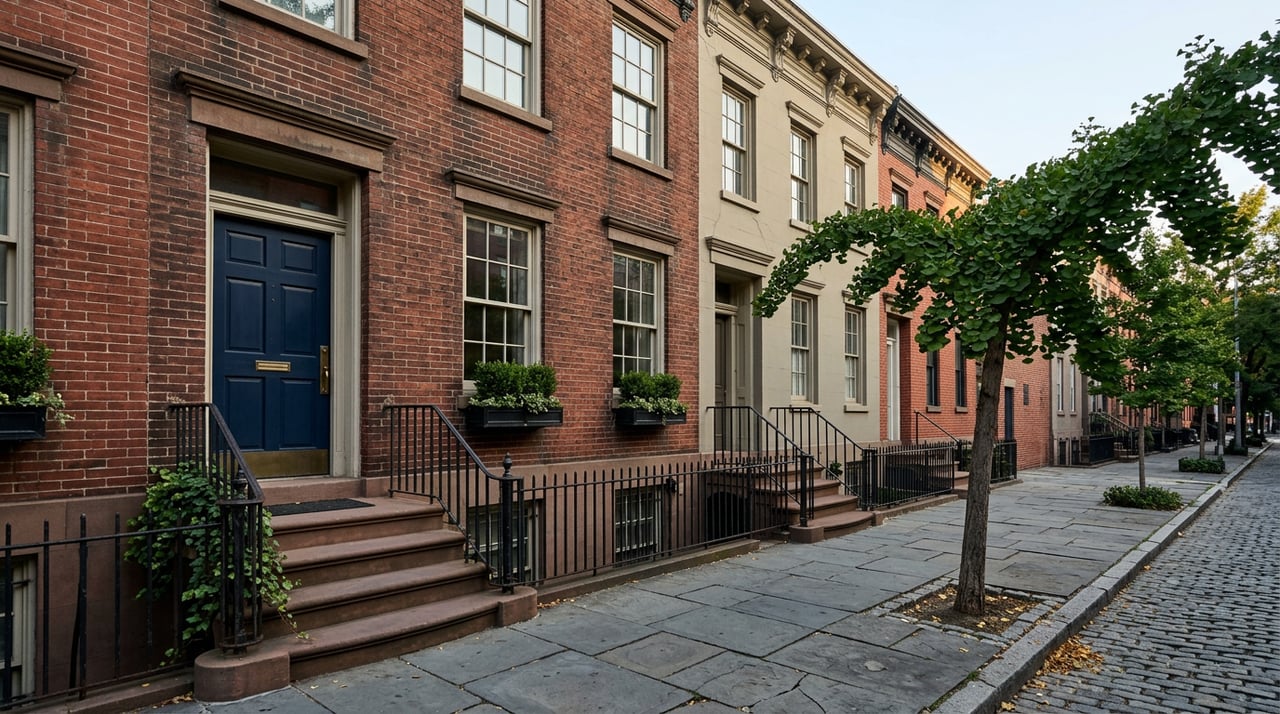
What makes a SoHo loft sell well is not just square footage or a polished listing. In this part of Manhattan, buyers are often weighing architecture, condition, provenance, and pricing discipline all at once. If you are preparing to sell, the right strategy can help you protect value, reduce unnecessary time on market, and present the loft in a way that feels true to the space. Let’s dive in.
Why SoHo lofts need a different approach
SoHo is not standard inventory, and your marketing plan should reflect that. The neighborhood’s cast-iron identity is a major part of its value, and the SoHo-Cast Iron Historic District has protected that character since 1973, with an extension in 2010 covering about 500 buildings across 25 city blocks.
That context matters because buyers are not just comparing finishes. They are also responding to ceiling height, original columns or beams, window lines, light, and the overall integrity of the loft. In a neighborhood like SoHo, presentation is partly about showing the architecture clearly and letting the space speak for itself.
Price with precision, not averages
Broad market numbers can help frame expectations, but they should never set your asking price on their own. Recent SoHo data showed an average home value of $3,064,571, while separate reporting put the median sale price at $3,803,721 and median price per square foot at about $1.9K.
Those numbers are useful background, but SoHo lofts vary too much for neighborhood averages to do the real work. A top-floor loft with strong light, landmark views, and a thoughtful renovation may live in a very different pricing band than a lower-floor unit in the same neighborhood.
Start with the closest comps
The best pricing work usually starts with the most similar sales possible. In SoHo, that often means looking first at your own building, then your block, then homes with a similar line, exposure, floor height, condition, and architectural feel.
This kind of narrow comp selection matters because Manhattan is not one uniform market. Current city reporting has emphasized that conditions vary by neighborhood, price point, and home type, and that is especially true in a loft market where small differences can create large value gaps.
What current market pace means
Recent SoHo data showed a median 128 days on market, with 34.7% of listings seeing price drops and a 97.9% sale-to-list ratio. That tells you buyers are active, but selective.
In plain terms, strong lofts can still trade close to ask when they are positioned well. Overpricing, however, often leads to a longer marketing cycle, more negotiation pressure, and a higher chance of later reductions.
Time your launch around readiness
Many sellers ask for the best month to list. In SoHo, the better question is whether your loft is fully ready when it hits the market.
Spring 2026 was active across New York City, with more than 2,200 homes entering contract in April. About one in four went into contract in under a month, nearly one in five sold above asking, and new listings rose nearly 11% year over year.
That said, timing should not be reduced to a single calendar rule. If your loft needs decluttering, touch-ups, better photography, or exterior work that may require review, it is often smarter to launch slightly later with a cleaner presentation.
Account for landmark review early
In the SoHo-Cast Iron Historic District, many exterior changes require Landmarks Preservation Commission review. Ordinary repairs like replacing broken glass or repainting to match the existing color generally do not require approval, but window replacement, storefront changes, cornice work, HVAC penetrations, and other visible exterior alterations can trigger review.
For complete Certificate of No Effect applications, approval can often happen within 10 business days, and the agency must decide within 30 business days once an application is complete. If your sale plan includes any exterior work, build that timing into your calendar well before launch.
Present the loft, not just the finishes
A SoHo loft usually performs best when the presentation feels edited, calm, and architectural. Buyers want to understand the volume of the space, the natural light, the ceiling height, and the original details that give the home its identity.
That does not mean leaving everything exactly as it is. It means making selective improvements that sharpen the impression without covering up what makes the loft distinctive.
Focus on high-impact updates
Before listing, simple cosmetic improvements often do more than a major pre-sale renovation. Fresh neutral paint, repaired hardware, updated lighting, deep cleaning, and small touch-ups can help buyers focus on the scale and character of the loft.
In many cases, this approach is more effective than over-designing the space for market. The goal is refinement, not reinvention.
Stage key zones thoughtfully
National staging research in 2025 found that 83% of buyers’ agents said staging made it easier for buyers to envision a property as a future home. The same research found that 49% said staging reduced time on market, while 29% of sellers’ agents said staging led to a 1% to 10% increase in the dollar value offered.
For SoHo lofts, staging often works best when it is selective. Instead of filling every corner, focus on a few clear zones such as the living area, primary bedroom, and kitchen so the loft feels larger, quieter, and more flexible.
Put visual marketing first
Buyers’ agents rated photos as the most important presentation tool, with 73% calling them highly or very highly important. Traditional physical staging, video, and virtual tours also ranked strongly.
That matters in SoHo because buyers often decide whether a loft feels compelling before they ever book a showing. Crisp photography, clean sightlines, and an uncluttered layout can help your listing communicate scale and atmosphere immediately.
Protect the showing experience
Selling a SoHo loft often involves a more deliberate showing process than sellers expect. With longer marketing times and more selective buyers, it is wise to plan for multiple showings, measured feedback, and careful follow-up.
The showing experience should feel consistent every time. That means the loft is clean, calm, and visually coherent, whether a buyer visits on day three or week six.
Keep logistics tight
A simple showing plan can help protect both privacy and presentation. Consider:
- Limited showing windows to reduce disruption
- Clear guidance on shoes and entry flow
- A plan for pets, if applicable
- Storage areas that are neat and easy to navigate
- A reset routine so the loft looks the same after every visit
In a space where atmosphere matters, inconsistency can weaken your position. Buyers often respond emotionally to lofts, and small distractions can interrupt that response.
Negotiate from the loft’s actual strengths
In SoHo, negotiation is rarely just about the number on the first page. Buyers may look closely at approved alterations, natural light, ceiling height, architectural integrity, and overall condition.
That is why strong preparation matters long before an offer arrives. When pricing, presentation, and documentation are aligned, you are in a better position to defend value and negotiate from facts rather than from urgency.
A disciplined strategy also helps avoid one of the most common mistakes in this market: relying too heavily on neighborhood averages. In SoHo, the difference between two lofts can be substantial even when they appear close on paper.
What a strong sale plan looks like
If you are preparing a SoHo loft for market, the most effective plan usually includes a few clear priorities:
- Price from building-specific and loft-specific comps
- Finish decluttering, repairs, staging, and photography before launch
- Check any exterior work against landmark rules early
- Highlight original architectural features rather than hiding them
- Create a showing process that protects privacy and consistency
- Stay flexible, but avoid reactive price decisions without evidence
This kind of approach fits the way SoHo buyers actually evaluate property. They are often buying a space, a building, and a piece of downtown architectural history at the same time.
If you are considering a sale, careful guidance can make a meaningful difference in both timing and outcome. The De Niro Team brings a discreet, informed approach to pricing, presentation, and negotiation in complex Manhattan markets.
FAQs
How should you price a SoHo loft for sale?
- Start with the closest possible comparables, ideally from the same building or block, with similar floor height, exposure, condition, and architectural details rather than relying on neighborhood averages alone.
When is the best time to list a SoHo loft?
- The best time is when the loft is fully prepared, photographed, and ready for showings, especially if any exterior work may require Landmarks Preservation Commission review.
Do SoHo loft sellers need Landmarks approval before listing?
- Not always, but many visible exterior changes in the SoHo-Cast Iron Historic District can require review, so sellers should check early if windows, storefront elements, cornices, HVAC penetrations, or similar work are involved.
What improvements help a SoHo loft show better?
- High-impact cosmetic updates such as neutral paint, lighting improvements, hardware repairs, deep cleaning, and thoughtful staging usually help buyers focus on light, scale, and original character.
Why do SoHo lofts often take longer to sell?
- Current market data suggest buyers are active but selective, and in a highly differentiated loft market, pricing, condition, architecture, and presentation can all affect time on market.
What matters most in SoHo loft marketing?
- Clear photography, selective staging, clean sightlines, and a presentation that highlights original loft features are often central to attracting serious buyers.