If you picture classic Manhattan living, chances are you are already thinking about the Upper West Side. This is a neighborhood where prewar facades, major cultural institutions, and expansive park access come together in a way that feels both iconic and practical. If you are considering a move, a purchase, or a sale here, understanding how the neighborhood actually lives block by block can help you make a smarter decision. Let’s dive in.
Why the Upper West Side Stands Out
The Upper West Side is one of Manhattan’s largest residential neighborhoods, with an estimated 230,436 residents in 2024 according to the NYU Furman Center. It is also notably dense, highly transit-oriented, and deeply established as a full-time residential area rather than a place defined only by visitors or destination venues.
That everyday livability shows up in the numbers. The neighborhood had a 90.4% car-free commute share in 2024, and its retail structure is built around three main corridors: Broadway, Amsterdam Avenue, and Columbus Avenue. Together, these corridors support daily errands, dining, services, and routine neighborhood use in a way that helps the Upper West Side function as more than just a beautiful address.
Upper West Side Homes by Type
The first thing to know is that Upper West Side housing is not one-note. While many people associate the neighborhood with stately prewar apartment houses, the local housing stock includes co-ops, condos, row houses, older towers, midcentury buildings, and newer infill development.
That variety matters because it shapes both lifestyle and buying strategy. In 2024, the neighborhood had 130,471 housing units, and from 2010 to 2025, 6,297 new units were added, with 82% of those new units classified as market-rate. For buyers, that means the search can range from landmarked prewar character to more contemporary full-service living, often within just a few avenues.
Prewar Character Near Central Park West
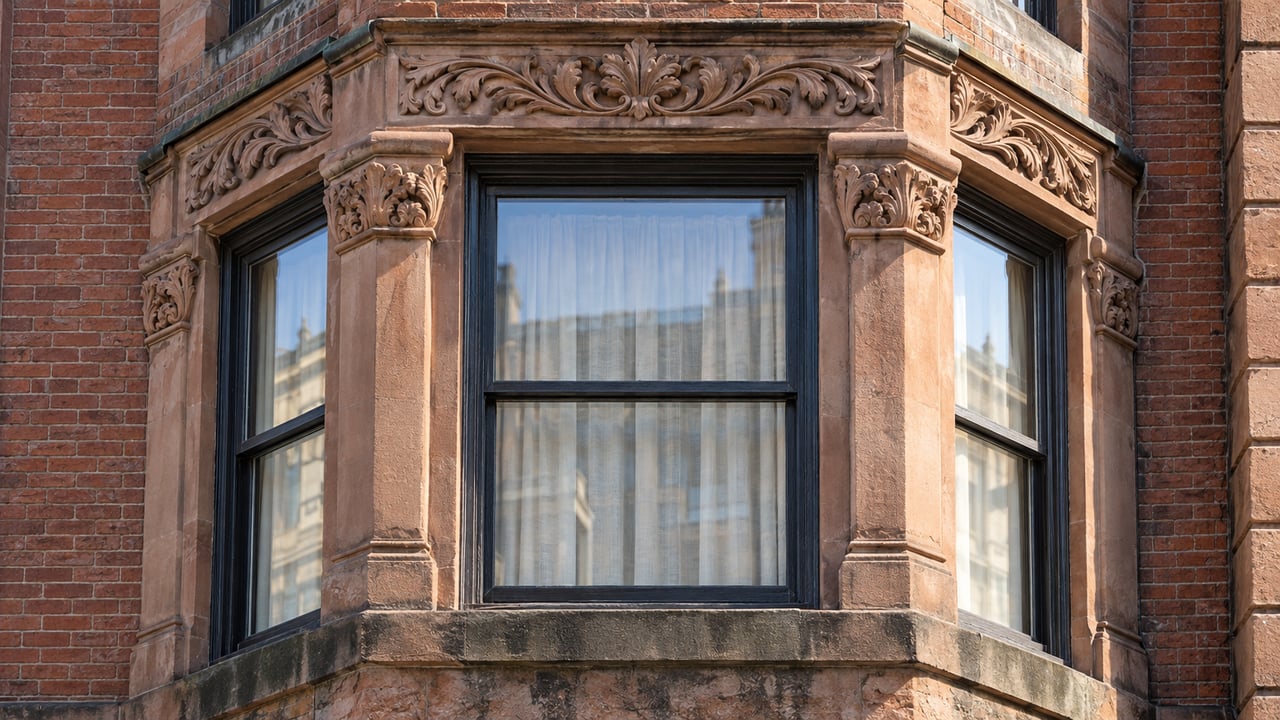
The Central Park West edge is one of the neighborhood’s most visually recognizable stretches. NYC Parks describes the Central Park West Historic District as being defined largely by early 20th-century Beaux-Arts high-rise apartment buildings, with landmark structures that reinforce the avenue’s architectural identity.
This part of the neighborhood often appeals to buyers who value scale, detail, and classic Manhattan presence. It is less about detached homes and more about apartment ownership in distinguished cooperative and condominium buildings, which is consistent with how ownership is structured in the neighborhood overall.
Row Houses and Mixed Streetscapes
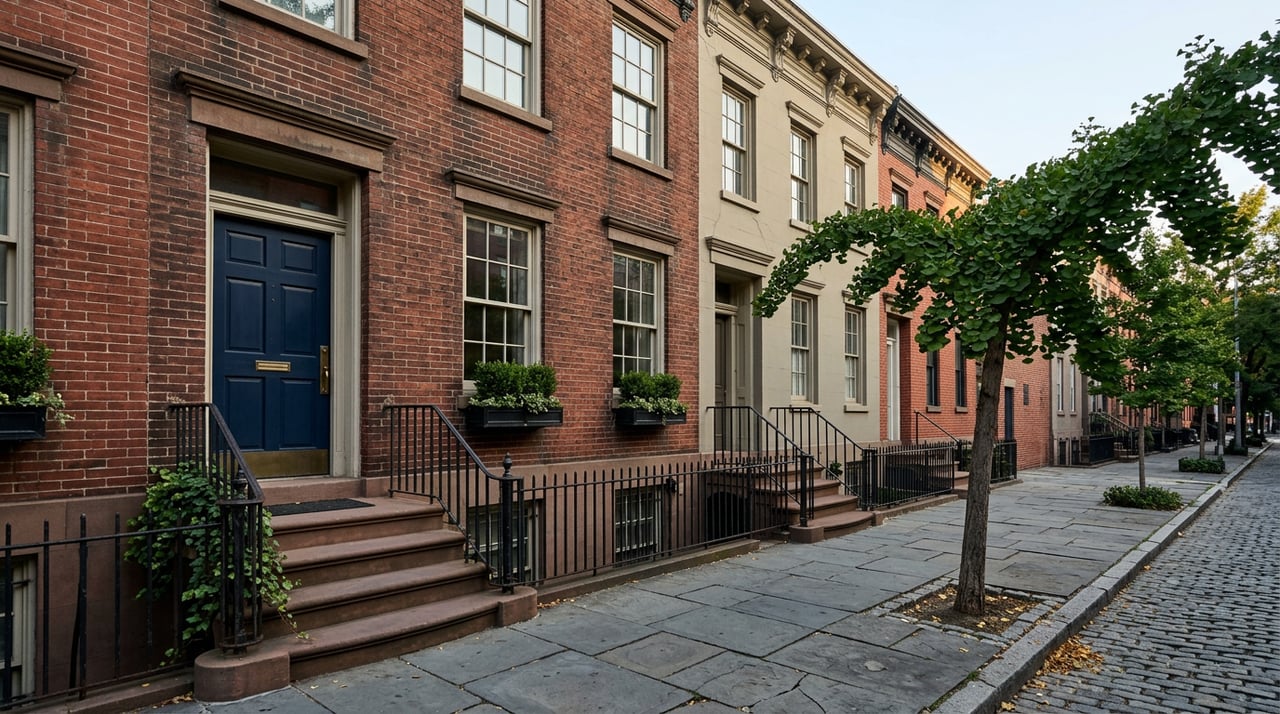
Move farther west or onto side streets, and the housing story changes. The broader Upper West Side and Central Park West Historic District includes row houses, tenements, French flats along Amsterdam and Columbus, and some newer residential towers near Columbus Avenue.
That block-by-block change is one of the Upper West Side’s defining features. Two homes with the same number of bedrooms can offer very different experiences depending on whether they sit on a quieter side street, along a busier avenue, or near a major cultural anchor.
Active Apartment Ownership Market
For buyers and sellers, this remains a meaningful apartment market. In 2025, the median condo price reached $1,567,500, and condo sales volume totaled 974, according to the Furman Center.
Those figures help frame the neighborhood as both established and active. If you are evaluating value here, the conversation is rarely just about price per square foot. It is also about building type, address, exposure, services, and how a specific pocket of the neighborhood fits your daily routine.
Culture Is Part of Daily Life
Few Manhattan neighborhoods weave culture into everyday life as naturally as the Upper West Side. This is not a place where arts and institutions sit at a distance from residential life. They are part of the neighborhood fabric.
Lincoln Center is one of the clearest examples. Located between West 62nd and 65th Streets and Columbus and Amsterdam Avenues, the 16.3-acre campus is home to the Metropolitan Opera, New York Philharmonic, New York City Ballet, Juilliard, and Lincoln Center Theater, and it presents hundreds of programs each year, including many free or Choose-What-You-Pay events.
Museums and Performance Venues
The cultural reach extends well beyond Lincoln Center. The American Museum of Natural History is anchored near 81st Street with subway and bus access nearby, while New York Historical sits at 170 Central Park West at 77th Street.
Farther north, Symphony Space at 95th Street and the Beacon Theatre on Broadway in the 70s add another layer to the neighborhood’s performance and event landscape. For residents, these are not just occasional attractions. They become part of the rhythm of living here.
Green Space Shapes the Neighborhood
The Upper West Side is framed by two of Manhattan’s defining green spaces, and that is a major reason the neighborhood feels balanced despite its density. Central Park runs from 59th to 110th Street along the east side of the neighborhood, while Riverside Park stretches along the Hudson River.
This dual-park setting gives residents options. You can head east for the iconic landscape of Central Park or west for the waterfront character and long linear parkland of Riverside Park.
Central Park Access
Central Park is more than a scenic border. It is a daily-use asset with walking paths, open lawns, and curated routes like the Central Park Conservancy’s Upper West Side Tree Walk, a self-guided route of roughly one mile that highlights dozens of tree species.
For many buyers, this kind of access changes how a home lives. A nearby park can support morning routines, evening walks, weekend outings, and an overall sense of breathing room that is hard to replicate elsewhere in the city.
Riverside Park Living
Riverside Park adds a different kind of value. The Riverside Park Conservancy cares for six miles of parkland from 59th to 181st Street, and its 2026 Summer on the Hudson season includes more than 400 free events along Manhattan’s west side.
That long park edge helps give western blocks a more open, quieter feel in certain stretches. If you are comparing addresses, proximity to Riverside Park can shape not just views and light, but also the pace and texture of daily life.
How the Neighborhood Changes by Pocket
One of the biggest mistakes buyers make is treating the Upper West Side as a single uniform neighborhood. In reality, it is highly block-specific, and its character shifts noticeably from south to north and from avenue to avenue.
Understanding those differences can help you narrow your search more effectively, especially if you are balancing architecture, convenience, cultural access, and overall atmosphere.
South End and Lincoln Center
The southern portion of the neighborhood, particularly near Lincoln Center and the West 60s, tends to feel the most destination-driven. This area has a strong concentration of arts programming, larger-scale mixed-use development, and a clearer presence of newer vertical residential product.
Broadway’s role as a corridor for larger retail, commercial, and mixed-residential development also supports that more urban, active feel. For some buyers, this section offers immediacy and energy. For others, it may feel less intimate than blocks farther north.
The 70s and 80s Core
The middle of the neighborhood, especially around the 70s and 80s, often matches the classic Upper West Side image people have in mind. Here, you see landmarked prewar apartment houses, row houses on side streets, and strong access to museums, retail corridors, and park edges.
This area often appeals to buyers looking for architectural character paired with everyday convenience. It also tends to highlight how closely culture, residential scale, and local services can sit together on the Upper West Side.
The 90s and 100s
Farther north, the 90s and 100s can read as a bit quieter and more residential in feel. Riverside Park and Symphony Space are important anchors here, and the overall environment may feel less visitor-oriented than the southern end.
That does not mean less connected. It means the neighborhood experience shifts toward a steadier residential rhythm, which can be attractive if you want Upper West Side access with a slightly calmer tone.
What Buyers and Sellers Should Keep in Mind
For buyers, the Upper West Side rewards precision. You are not just choosing a neighborhood. You are choosing a building type, a park relationship, an avenue or side street, and a cultural and retail pattern that can differ meaningfully within a short distance.
For sellers, that same nuance creates opportunity. Positioning a home well here means understanding what the block offers, how the architecture fits current demand, and which elements of daily life buyers are really paying for, whether that is proximity to Central Park West, Riverside Park access, prewar detail, or newer full-service amenities.
The market context matters too. The Furman Center notes that the Upper West Side was the city’s 7th most expensive neighborhood for rents in 2024, with a median gross rent of $2,780, reinforcing the area’s long-standing desirability across both ownership and rental audiences.
In a neighborhood this layered, informed guidance matters. The best decisions tend to come from looking beyond the broad label and focusing on the specific block, building, and lifestyle tradeoffs that define value over time.
If you are considering buying, selling, or renting on the Upper West Side, working with an experienced New York City team can help you read those nuances with more clarity and confidence. The De Niro Team offers thoughtful, discreet guidance across Manhattan residential real estate.
FAQs
What types of homes are common on the Upper West Side?
- The Upper West Side is primarily an apartment market with co-ops, condos, prewar apartment houses, older and midcentury towers, row houses, and some newer residential development.
What makes Central Park West different from other Upper West Side streets?
- Central Park West is especially known for early 20th-century Beaux-Arts apartment buildings and a strong prewar architectural identity within a historic district setting.
How walkable is the Upper West Side for daily life?
- The neighborhood is highly walkable, with major retail corridors on Broadway, Amsterdam Avenue, and Columbus Avenue, strong transit access, and a 90.4% car-free commute share in 2024.
What cultural institutions are located on the Upper West Side?
- Major institutions include Lincoln Center, the American Museum of Natural History, New York Historical, Symphony Space, and the Beacon Theatre.
How do the different parts of the Upper West Side feel?
- The south end near Lincoln Center feels more destination-driven, the 70s and 80s reflect the classic prewar Upper West Side image, and the 90s and 100s tend to feel somewhat quieter and more residential.
Why do buyers need block-by-block guidance on the Upper West Side?
- Because the neighborhood changes noticeably by pocket, building type, park access, retail mix, and cultural proximity, which can all affect lifestyle and long-term value.