Downtown Manhattan luxury condos feature a median sale price of $2,350,000, with new developments commanding a premium over $2,600 per square foot in 2026. Buyers comparing pre-war classic loft conversions against ground-up new developments must evaluate architectural volume, amenity packages, reserve fund health, and tax abatement status via Attorney General offering plans.
Comparison Factor | Older Classics & Loft Conversions | Ground-Up New Developments |
|---|---|---|
Price Range / Sq Ft | $1,800 to $2,300 per sq ft | $2,400 to $3,200+ per sq ft |
Median Listing Price | $2,150,000 | $2,850,000 |
Layouts & Ceiling Height | Loft-style, high ceilings (11ft+), exposed brick | Efficient floor plans, floor-to-ceiling glass |
Building History & Due Diligence | Established operating history, board minutes | AG Offering Plan, punch list inspection |
Amenities & Staffing | Boutique, virtual or part-time doorman, low staff | Full-service, pools, wellness centers, lounges |
Our Pick For [buyer profile] | Pick: Architectural Character Seekers | Pick: Turnkey & Amenity-Driven Buyers |
Weighing Downtown Condos in Lower Manhattan?
Compare active inventory across historic TriBeCa lofts and new Soho luxury developments.
If you are weighing a downtown Manhattan condo, the real question usually is not just where to buy. It is what kind of building fits the way you want to live and own. In areas connected to Lower Manhattan and the Lower East Side market, buyers often find themselves choosing between older classic condos or loft-style conversions and newer development product with more standardized finishes and amenities. This guide will help you compare both paths, understand what to verify in the documents, and make a more confident decision before you sign.
What Older Classics and New Developments Mean
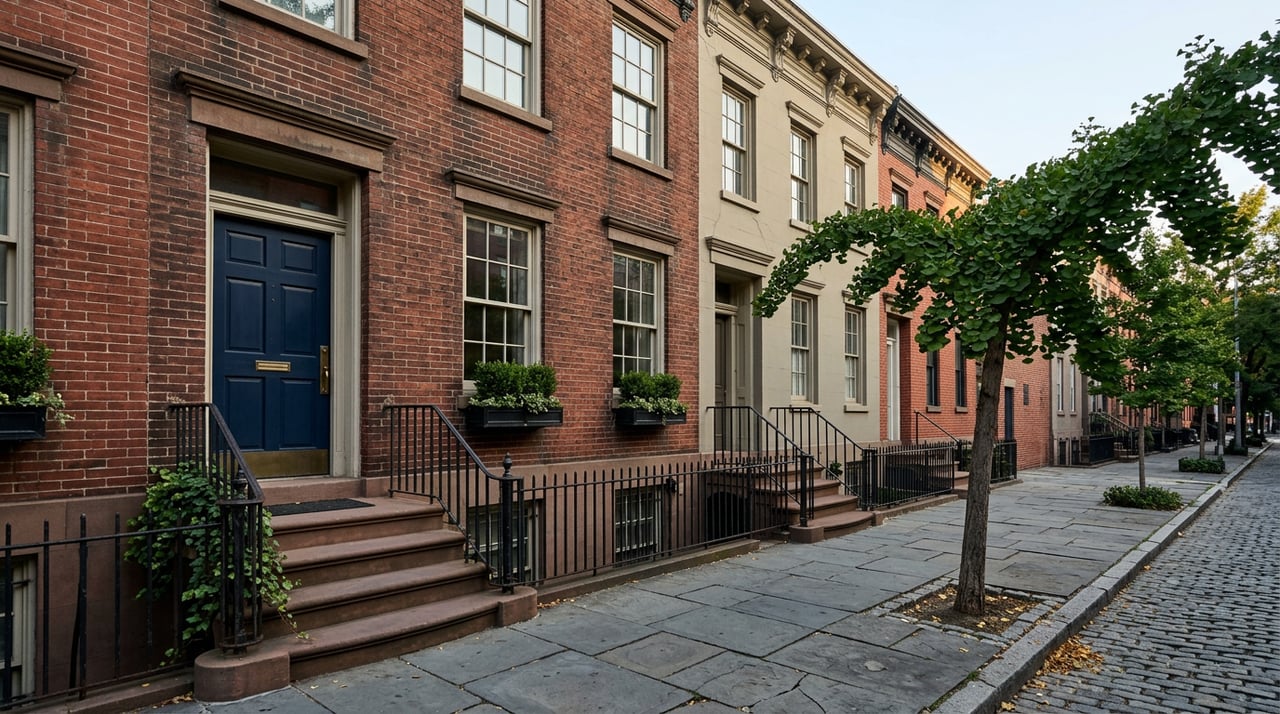
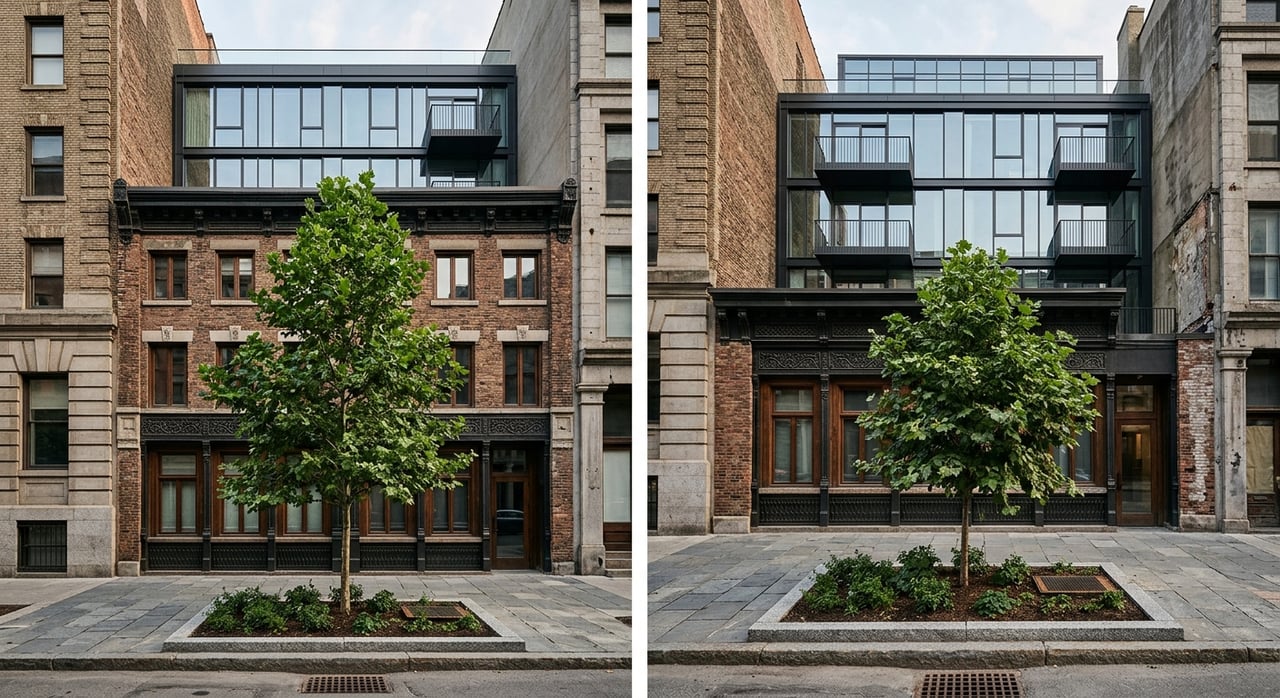
In downtown Manhattan, condo inventory often falls into two broad categories: existing older buildings, including loft or office conversions, and ground-up new development. Recent analysis from the NYC Comptroller notes that office-to-residential conversion activity picked up after 2020, and that condo conversions generally occur in smaller buildings with larger units.
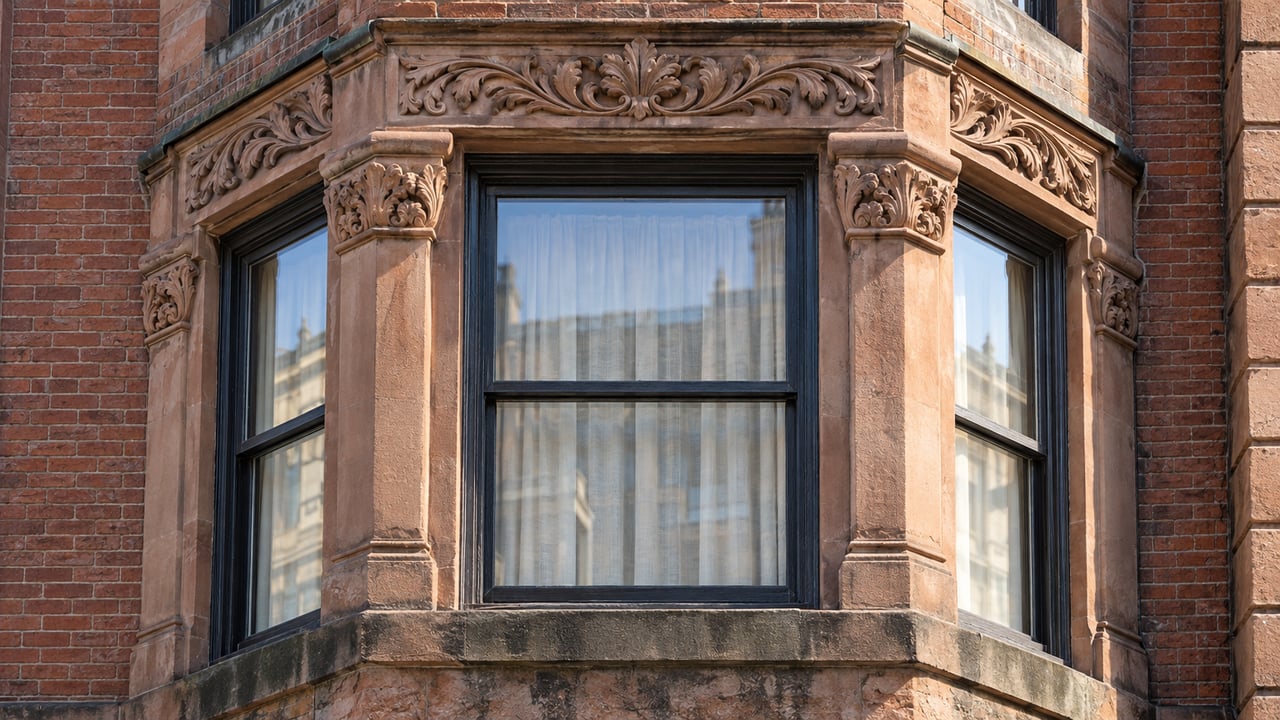
That helps explain why older condos and conversion-era properties often feel more individualized. Layouts may be less uniform, proportions may be larger, and architectural details may stand out more than what you find in a newly built tower. Still, that is a market pattern, not a guarantee, so each building deserves its own review.
New developments are a different kind of decision. In New York, the Attorney General says the offering plan controls what the sponsor is obligated to deliver, including unit size, construction details, ancillary spaces, and amenities. In other words, you should judge a new development by what is documented, not by what appears in marketing materials.
Why Older Condos Appeal to Buyers
Older downtown condos often attract buyers who value space, character, and a less standardized layout. In parts of Lower Manhattan, that can mean loft-like proportions, distinctive floor plans, or building details that simply feel harder to replicate in new construction.
There is also a practical side to older buildings. Because they are existing physical structures, you are evaluating something with an operating history. You may be able to review board minutes, recent financial reports, and building records that give you a clearer picture of how the property has been managed over time.
That said, older does not automatically mean easier. The Attorney General advises buyers in existing condos to review core building systems and conditions, including the facade, roof, windows, HVAC, plumbing, electrical, and elevators. A classic downtown building can be highly appealing, but you want the charm and the numbers to work together.
What to Check in an Older Building
When considering an older condo or loft conversion, verify current operational standards:
- Review board minutes for signs of recurring structural or capital issues
- Read the most recent financial report carefully to evaluate operating budget health
- Look at facade, roof, windows, and elevator condition per FISP Cycle 9 records
- Ask about plumbing, electrical, and HVAC replacement history
- Check local NYC Department of Buildings (DOB) violation records
- Confirm what defects were disclosed in the original offering materials
Why New Developments Appeal to Buyers
New developments tend to attract buyers who want a more predictable package. Finishes, appliance specifications, amenity spaces, and unit dimensions are generally described in much greater detail at the document stage.
That level of precision can be valuable if you prefer a cleaner comparison between buildings. The Attorney General says a new development offering plan must describe recreational facilities in detail and identify appliance brand names, types, and model numbers. That gives you a more exact framework for evaluating what you are paying for.
What to Check in a New Development
With a new condo, structure due diligence around the official offering documents:
- Read the full offering plan, not just marketing summaries
- Confirm that promised amenities are specifically listed
- Verify unit size, storage, and ancillary spaces in writing
- Review appliance brands and model numbers
- Do a hands-on walkthrough before closing
- Put any post-closing repair commitments in writing
Layouts and Lifestyle Fit
For many buyers, the choice comes down to how you want your home to feel day to day. Older classic condos and conversions may offer larger rooms, unusual layouts, and a more distinctive downtown character. New developments may offer a more polished presentation and a floor plan that feels efficient and easy to furnish.
Monthly Costs Deserve a Closer Look
A lower common charge does not always mean a less expensive building to own. In New York condominiums, monthly carrying costs are influenced by the operating budget, reserve planning, and property taxes.
Questions to Ask About Costs
- How large is the reserve fund?
- Is there a working capital fund?
- Have budgets increased recently?
- Are capital projects planned or underway?
- Is there any disclosed risk that reserves may be insufficient?
- How stable is the building's tax treatment?
Property Taxes Can Shift the Math
In Manhattan, property-tax treatment can materially affect ownership costs. NYC says the co-op and condominium tax abatement changed for tax year 2022-23 and later. Certain developments must submit primary-residency information and, in some cases, prevailing wage affidavits to keep the abatement, with a February 15 filing deadline. If a building opts out, the abatement is removed effective July 1.
You should also verify whether any temporary tax benefit exists. NYC HPD notes 421-a partial tax exemptions apply to specific developments, while Manhattan falls within the 421-a geographic exclusion area where new 485-x homeownership options cannot be located. Checking official DOF records via NYC Department of Finance provides start and end dates.
How to Read the Public Record
The Attorney General offering-plan database lets you search by property name, address, file number, or sponsor to review available plan documents and amendments. For Manhattan property records, NYC ACRIS provides access to deeds, mortgages, and recorded document images.
A Smart Buyer Review Process
- Read the entire offering plan.
- Have your attorney review the plan before you sign.
- Compare budget, reserve, and working capital disclosures.
- Review board minutes and financials for existing buildings.
- Check public property records through ACRIS.
- Confirm that any material promise is stated in writing.
Related Reading & Downtown Neighborhood Guides
Expert Insight by De Niro Team
Led by Raphael De Niro at Douglas Elliman Real Estate, the De Niro Team brings over two decades of experience navigating luxury real estate transactions across Downtown Manhattan and Brooklyn. Ranked among the nation's top-producing real estate teams, they specialize in high-net-worth acquisitions, loft sales, and premier new development condo marketing.
Which Option May Resell Better?
Resale strength usually comes down to clarity and fit. Older classics compete well on unit size, distinctive layouts, and architectural personality, while new developments compete well on documented amenities, newer systems, and turnkey presentation.
The Better Choice Is the One You Can Underwrite Clearly
If you are choosing between an older downtown condo and a new development, the best decision is about how clearly you can evaluate the building, how well the layout fits your life, and whether the carrying costs and tax structure make sense over time. If you want experienced guidance, The De Niro Team can help you approach the decision with clarity and confidence.
Frequently Asked Questions
What is the main difference between older downtown Manhattan condos and new developments?
Older condos and conversions are existing buildings that offer distinctive layouts and higher ceiling proportions, while new developments are evaluated via the Attorney General offering plan detailing unit specs, amenities, and finishes.
What should you review before buying an older condo in Lower Manhattan?
Review core mechanical systems including facade, roof, windows, HVAC, plumbing, electrical, elevators, board meeting minutes, recent financial reports, and DOB building-violation records.
What should you verify before closing on a new development condo in Manhattan?
Perform a pre-closing walkthrough, test appliances and HVAC systems, verify amenities in the offering plan, and ensure punch-list repair commitments are preserved in closing contracts.
How do reserve funds affect condo ownership costs in New York City?
Reserve fund balances indicate financial resilience; lower monthly common charges can mask upcoming special assessments if reserve capital is underfunded relative to five-year capital needs.
Can condo property taxes change after you buy in Manhattan?
Yes, property taxes fluctuate based on primary-residency abatement compliance, tax benefit expiration dates (such as 421-a exemptions), and annual NYC Department of Finance reassessments.
Where can you check condo records in Manhattan before buying?
Access official offering plans via the New York State Attorney General database and public property deeds, mortgages, and liens via NYC's ACRIS database.
Data and regulatory disclosures sourced from NYC Comptroller reports, NYS Attorney General Real Estate Finance Bureau, and NYC Department of Finance.