If you picture Chelsea as just one kind of Manhattan neighborhood, you may miss what makes it so compelling. In a relatively small area, you can move from historic townhouse blocks to gallery-lined industrial streets to newer condo buildings shaped by High Line views. If you are considering a move here, or simply want a clearer sense of what daily life feels like, this guide will walk you through Chelsea’s character, amenities, and housing options. Let’s dive in.
Chelsea Has More Than One Feel
Chelsea works best when you think of it as a neighborhood with distinct pockets rather than a single uniform experience. West Chelsea, roughly from West 16th to West 30th Streets between the Hudson River and Tenth Avenue, is the area most closely tied to the High Line and the gallery district.
That part of Chelsea evolved from manufacturing, storage, and auto-related uses into a mixed-use area with housing, restaurants, bars, and galleries. At the same time, many side streets and areas farther east still hold a more traditional residential feel, with historic townhouses and prewar buildings adding another layer to the neighborhood.
This mix is part of Chelsea’s lasting appeal. You get a section of Manhattan that feels culturally active and visually distinctive, but not overly one-note.
High Line Living in Chelsea
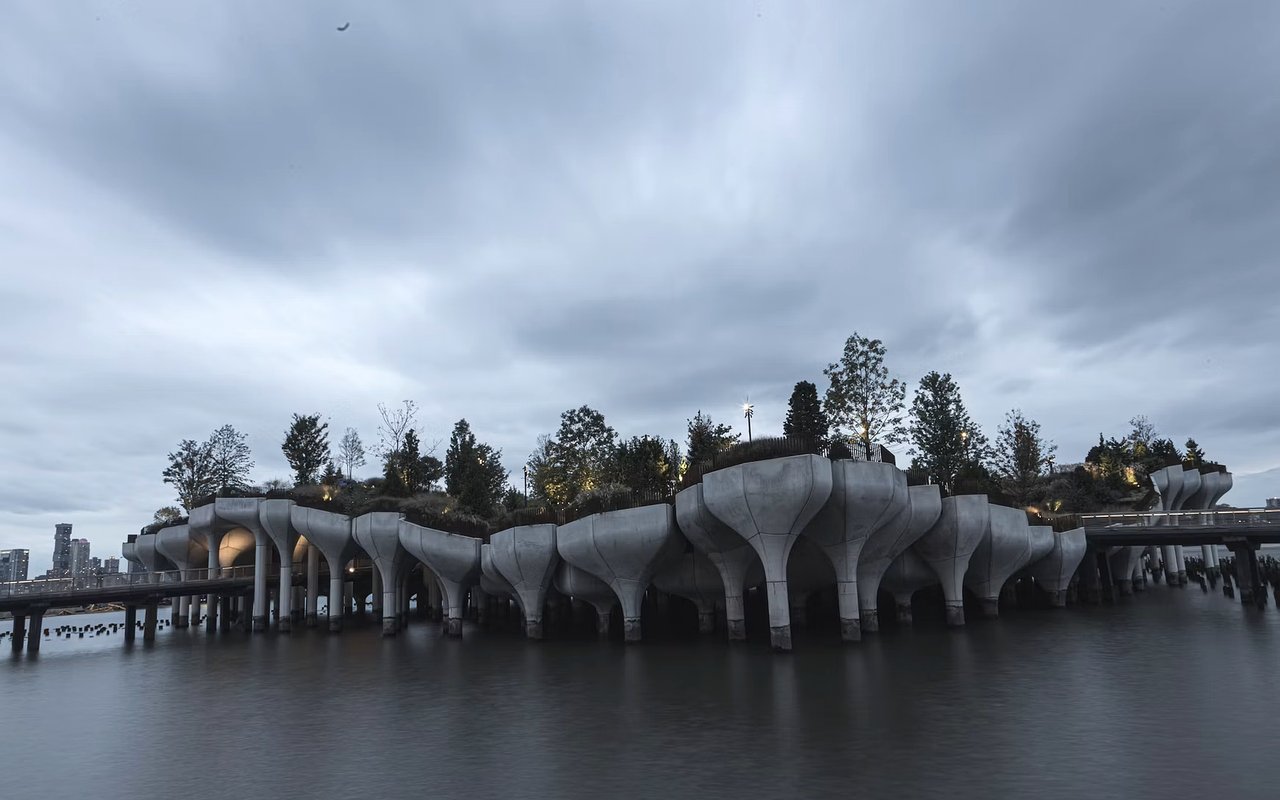
The High Line is one of Chelsea’s defining everyday amenities. This 1.45-mile elevated public park on Manhattan’s West Side began as freight rail infrastructure in 1934 and now operates as a public green space with more than 450 programs and activities each year.
For residents, the High Line is more than a destination. It can shape your daily routine, whether that means a walk before work, a scenic route through the neighborhood, or a quick break outdoors without leaving the city behind.
High Line Access Points
On the Chelsea stretch, current access points include entrances at:
- 14th Street
- 16th Street
- 23rd Street
The park is open daily, with hours that vary by season. Its design also includes a broad plant palette of more than 350 species, which helps create a softer, more landscaped experience than you might expect from an elevated urban park.
Why Views Matter Here
The High Line has influenced nearby architecture in a real way. City Planning created special bulk regulations in West Chelsea to protect light, air, and views around the park while still allowing new construction.
In practical terms, that helps explain why many nearby homes feel intentionally oriented toward outlooks, terraces, and park-facing exposures. If you are drawn to a home with visual openness and a strong connection to the streetscape below, this part of Chelsea often stands out.
The Public Realm Feels Designed
The High Line also adds a sense of sequence to the neighborhood. Friends of the High Line describes the Spur and Plinth area at West 30th Street and Tenth Avenue as a gathering space with sweeping city views, reinforcing the idea that this stretch of Chelsea is built around perspective, movement, and shared public space.
That can be hard to quantify on paper, but you feel it when you walk the neighborhood. There is a sense that architecture, landscape, and street life are speaking to each other.
Chelsea’s Gallery District Is Part of Daily Life
West Chelsea’s art identity is not just branding. City Planning identified the area as the city’s leading gallery district, with galleries concentrated on the midblocks around West 20th through West 27th Streets in adapted loft buildings and former garages.
That matters because the gallery scene is woven into the neighborhood fabric. It does not feel tucked away in a single campus or cultural complex. Instead, art spaces sit right within the streetscape, often inside the same kinds of industrial buildings that define the area’s visual character.
A Built-In Cultural Routine
For someone living nearby, gallery-going can become a normal part of the week rather than a special event. You might stop into a show on a Saturday afternoon, walk a few blocks to dinner, and then head home without ever needing to plan around a major outing.
Current examples show that this gallery ecosystem remains active. The Landmark Arts Building at 547 West 27th Street houses more than two dozen galleries, including Atlantic Gallery and Pleiades Gallery, both of which note their proximity to the High Line.
Why the Architecture Fits the Art
Chelsea’s industrial building stock helps give the gallery district its distinct feel. The West Chelsea Historic District is officially described as a rare surviving industrial neighborhood, with warehouse complexes, early modernist buildings, and a strong industrial character.
That background gives the area a visual texture you do not get in more uniform glass-tower districts. High ceilings, broad facades, and older loft-style structures make the neighborhood feel grounded and design-aware without trying too hard.
Dining and Fitness Add Everyday Convenience
A neighborhood’s appeal is never just about architecture. Chelsea also supports day-to-day living with a strong mix of food, retail, and fitness options.
Chelsea Market remains one of the area’s major anchors. It describes itself as a food-and-retail destination with merchants ranging from fishmongers and butchers to cheese, produce, and imported dry goods vendors. For residents, that means it can function as a practical stop for groceries, lunch, or dinner ingredients, not just a place visitors pass through.
Dining Near the High Line
The restaurant mix around Chelsea adds to the neighborhood’s flexibility. New York City Tourism lists places such as Wildflower at 505 West 23rd Street beneath the High Line and Shiraz Kitchen & Wine Bar at 111 West 17th Street near the High Line.
What stands out is the range of experiences within a compact area. You can find polished evening spots, casual meals, and food shopping all within an easy neighborhood rhythm.
Fitness in Chelsea
For buyers who value wellness and routine, Chelsea also has strong recreational infrastructure. Chelsea Piers Fitness says its Chelsea location offers facilities and programming across more than a dozen sports, including swimming, running, boxing, indoor sand volleyball, and group classes.
That kind of amenity can meaningfully shape your experience of a neighborhood. It gives you options for movement and routine without needing to leave the west side of Manhattan.
Loft Homes, Condos, and Co-ops
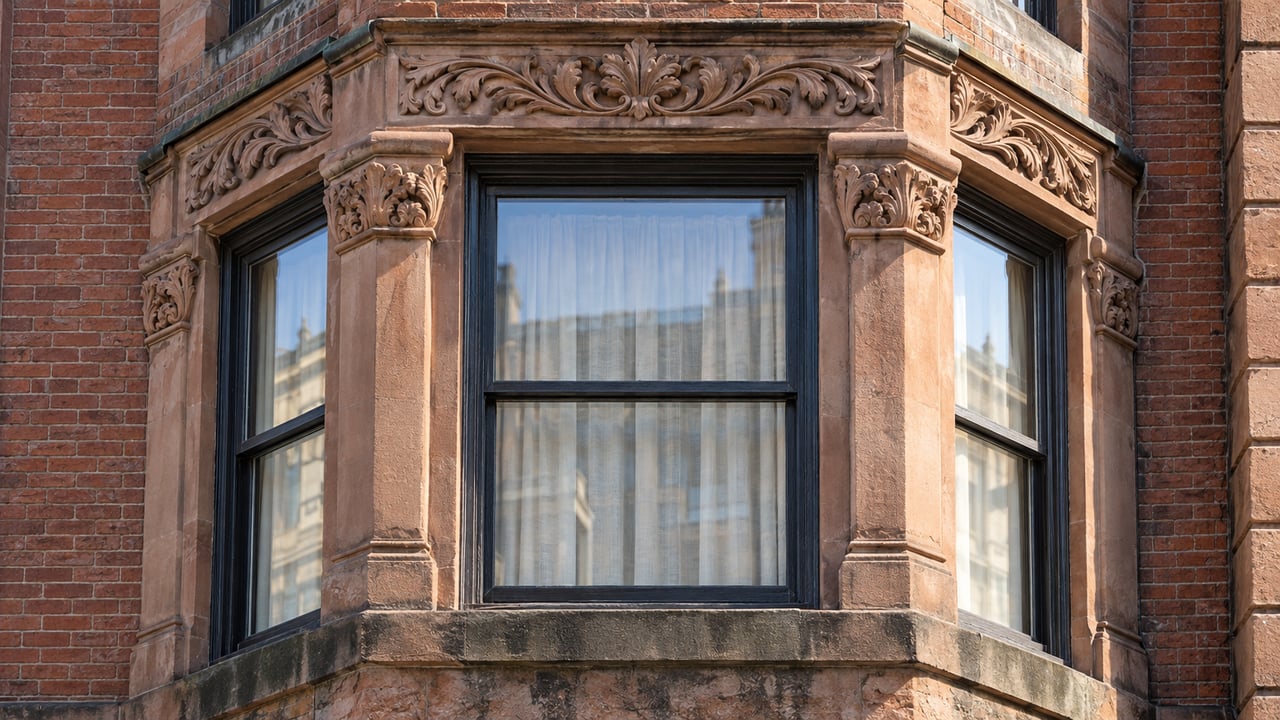
Chelsea’s housing stock is one of its biggest strengths because it offers real variety. Rather than presenting one dominant building type, the neighborhood includes new development condos, prewar co-ops, historic townhouses, and loft conversions rooted in the area’s industrial past.
StreetEasy notes that Chelsea has seen substantial new development, especially along the High Line, while much of the traditional stock includes prewar co-ops and historic townhouses on side streets. That combination gives buyers several ways to approach the neighborhood depending on how they want to live.
Newer Condos Near the High Line
If you are drawn to newer construction, the High Line corridor may be the most natural place to focus. Many buildings here feel shaped by the park itself, with an emphasis on views, light, and contemporary layouts.
These homes often appeal to buyers who want a polished, design-forward residence in a location that feels closely connected to outdoor space and cultural activity. The setting can feel distinctly modern while still being tied to Chelsea’s industrial roots.
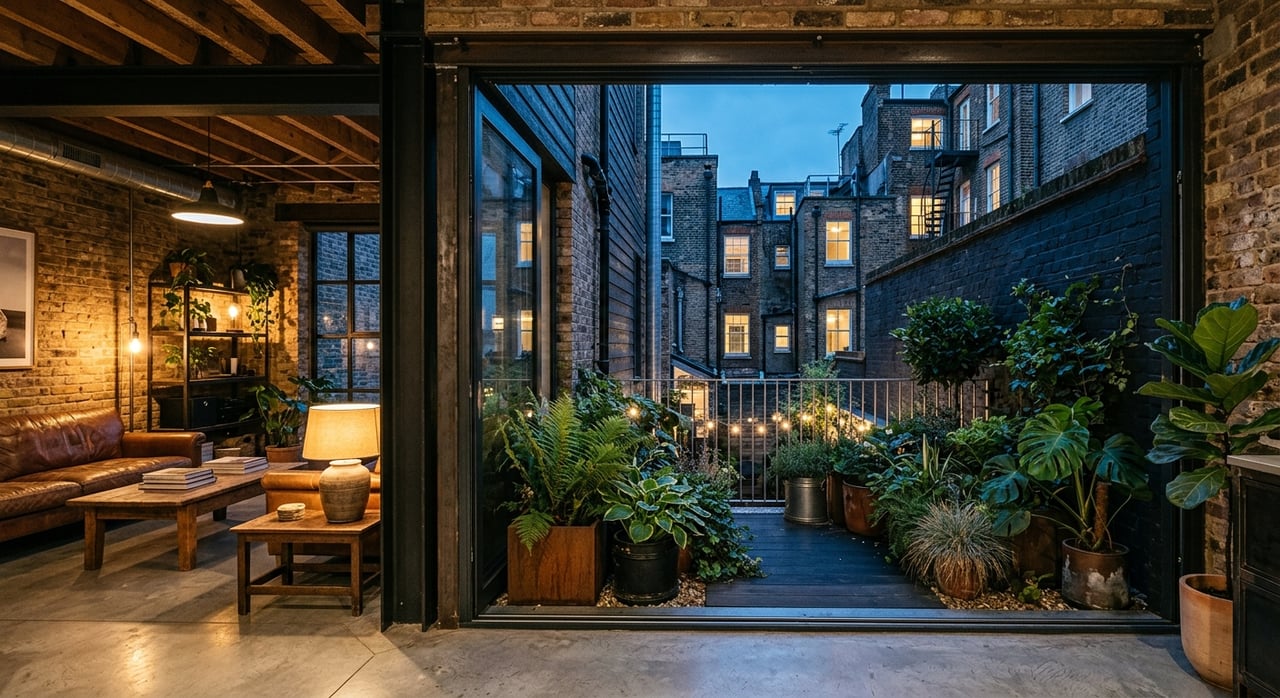
Loft Conversions and Industrial Character
West Chelsea’s loft buildings and converted warehouse structures offer a different kind of appeal. City Planning describes the area as dominated by high lot-coverage loft buildings, converted lofts, former garages, and warehouse structures.
For many buyers, that translates into homes with stronger architectural personality. You may find layouts, proportions, or material character that feel different from newer tower product elsewhere in Manhattan.
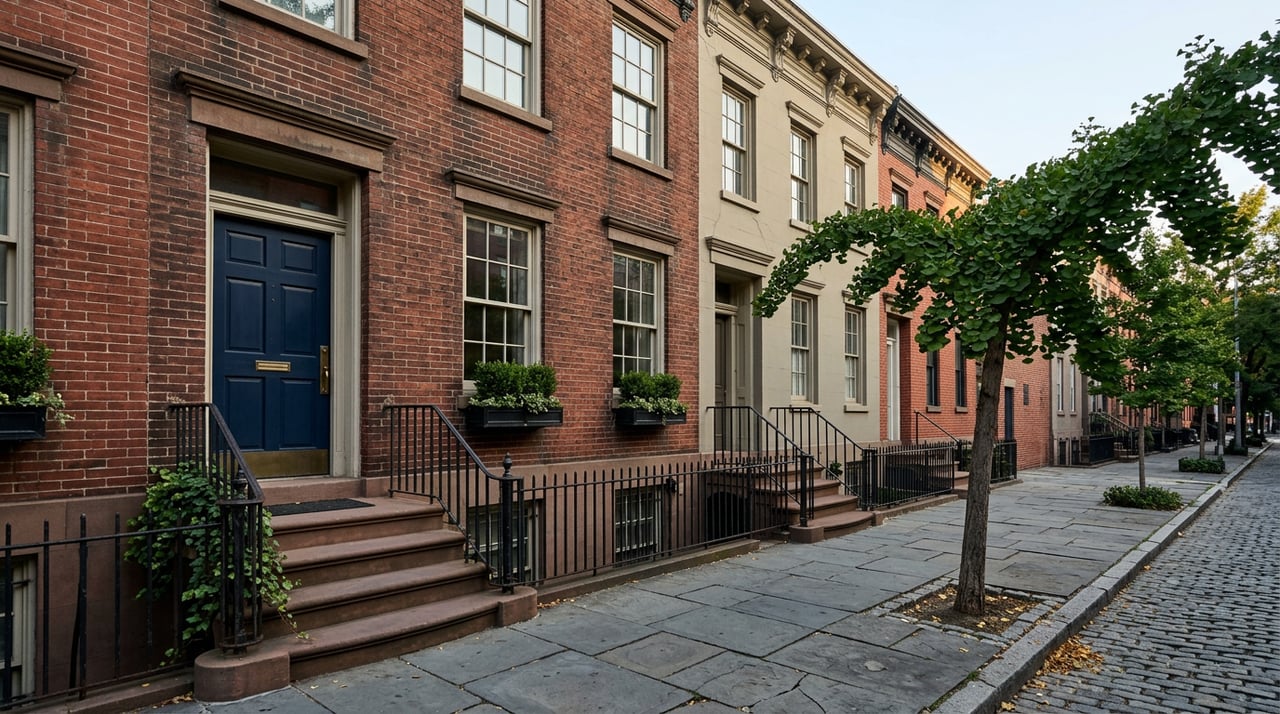
Prewar Co-ops and Townhouse Blocks
If you prefer a quieter residential setting, Chelsea’s side streets can offer a more classic Manhattan experience. Historic townhouses and prewar co-ops help create a softer transition away from the busier High Line corridor.
This gives the neighborhood range. You can choose a home that leans more architectural and loft-like, more contemporary and view-driven, or more traditional and residential, all while staying within Chelsea.
What Chelsea Lifestyle Really Feels Like
Chelsea stands out because its amenities and housing overlap so closely. In the same few blocks, you can start the day with a walk on the High Line, spend part of the afternoon in the gallery district, pick up food near Chelsea Market, and return home to a condo, loft, co-op, or townhouse that reflects a very different side of the neighborhood.
That layered experience is what makes Chelsea so livable. It offers culture, movement, architecture, and convenience in a way that feels integrated rather than staged.
For buyers, that means your search should be guided by lifestyle as much as square footage or finish level. The right fit often comes down to which version of Chelsea feels most like home to you.
If you are weighing Chelsea against other downtown neighborhoods, or trying to decide which part of Chelsea best matches your priorities, working with a team that understands building types, block-by-block character, and the nuances of Manhattan housing can make the process much clearer. The De Niro Team offers discreet, informed guidance for buyers, sellers, and renters navigating Chelsea and the wider Manhattan market.
FAQs
What is West Chelsea known for in Manhattan?
- West Chelsea is best known for the High Line, its concentration of art galleries, and its mix of industrial-era buildings and newer residential development.
What types of homes can you find in Chelsea?
- Chelsea offers a mix of newer condos, loft conversions, prewar co-ops, historic townhouses, and other homes shaped by the neighborhood’s industrial and residential history.
How does the High Line affect living in Chelsea?
- The High Line adds daily access to green space, walking routes, and city views, and it has also influenced nearby building design with an emphasis on light, air, and outlooks.
Where are the main gallery streets in Chelsea?
- The gallery district is concentrated on the midblocks around West 20th through West 27th Streets, where many galleries occupy adapted loft buildings and former garages.
Is Chelsea a good fit if you want both culture and convenience?
- Chelsea can appeal to buyers who want a neighborhood where public green space, galleries, dining, food shopping, and varied housing types all sit close together.