If you are choosing between Williamsburg’s waterfront towers and its interior streets, you are not really choosing between “better” and “worse.” You are choosing between two very different daily living experiences in one of Brooklyn’s most layered neighborhoods. The right fit depends on how you move through the city, what kind of building experience you want, and which trade-offs feel worth making to you. Let’s dive in.
Williamsburg is a micro-market
Williamsburg works best when you think of it as a set of smaller submarkets, not one uniform neighborhood. City planning materials describe a mix of waterfront towers, converted lofts, three- to four-story residential buildings, and older industrial blocks, with Bedford Avenue as a main commercial spine.
That matters because the feel of your purchase can shift quickly from one pocket to the next. A home near the waterfront may offer a full-service building and open views, while a home farther inland may be more about block character, transit convenience, and a more architectural streetscape.
The current market also gives buyers room to compare carefully. Realtor.com’s March 2026 snapshot for Williamsburg shows 281 homes for sale, a median days on market of 54, a sale-to-list ratio of 94%, and a median listing price of $1.85 million. Homes also sold for 5.83% below asking on average, which suggests a relatively buyer-friendly environment.
Why buyers choose waterfront towers
The waterfront tower corridor is largely the result of the 2005 Greenpoint-Williamsburg rezoning, which converted former heavy industrial waterfront land into residential and mixed-use districts. That public policy shift also established a framework for waterfront access, new housing, and public open space.
For many buyers, the attraction is straightforward. Newer waterfront buildings can offer a more seamless residential package, with amenities, services, and outdoor access all built into the experience.
Amenities can change your routine
Representative projects such as One Domino Square market more than 45,000 square feet of amenities. These include indoor and outdoor pools, resident lounges, outdoor terraces, a fitness center, a golf simulator, work-from-home space, concierge service, and a shuttle to the L, J, and M trains.
If you value convenience, that kind of setup can reduce the need to patch together your day across the neighborhood. You may spend less time traveling to a gym, finding work space, or managing small daily logistics.
Open space is part of the appeal
The Domino waterfront site helps explain why this section of Williamsburg draws so much attention. The project area includes 39- and 52-story mixed-use buildings, Domino Park, a waterfront public access area, and 4.8 acres of public open space.
For some buyers, that combination of taller buildings, river exposure, and park access creates a more expansive feeling than interior blocks. If views and proximity to open air matter to you, the waterfront can be compelling.
Ferry and greenway access add flexibility
Waterfront living is not only about the building itself. NYC Ferry’s East River route serves both North Williamsburg and South Williamsburg, and NYC DOT describes the Brooklyn Waterfront Greenway as a planned 14-mile pedestrian and bicycle route along Brooklyn’s waterfront.
That can add a different kind of mobility to your routine. If you like having multiple ways to move through the city, the waterfront can offer options beyond the subway.
Waterfront trade-offs to weigh carefully
The waterfront is attractive, but it is not a simple lifestyle upgrade for every buyer. Some of its biggest selling points also come with important questions.
Waterfront blocks are often more active
It is easy to picture the shoreline as calm and purely residential, but the official Domino-area filing paints a more mixed picture. Kent Avenue is described as a commercial corridor with active ground-floor commercial uses in new mixed-use and repurposed industrial buildings.
In practice, that means some waterfront stretches may feel busier than buyers expect. Park frontage and river views can coexist with a more active street experience.
Flood risk deserves early attention
Flood exposure is one of the most important due diligence items on the shoreline. The Domino project filing says portions of the project area are in Flood Zone AE, and NYC flood-map guidance states that high-risk flood zones can require flood insurance and flood-resistant construction standards.
If you are considering a waterfront purchase, verify flood-zone status and understand the insurance implications early. It is much better to answer those questions before you get emotionally attached to a view or amenity package.
Subway access may be less direct
Waterfront buyers should also think carefully about everyday transit. In the Domino project area, the environmental review measured the Bedford Avenue L station at roughly three-quarters of a mile northwest, the Metropolitan Avenue G at one mile west, the Marcy Avenue J, M, and Z at three-quarters of a mile southeast, and the South Williamsburg ferry landing at about half a mile southeast.
That does not make the waterfront inconvenient for everyone. It does mean your commute may depend more on walking tolerance, ferry use, shuttles, and backup plans.
Why buyers choose interior streets
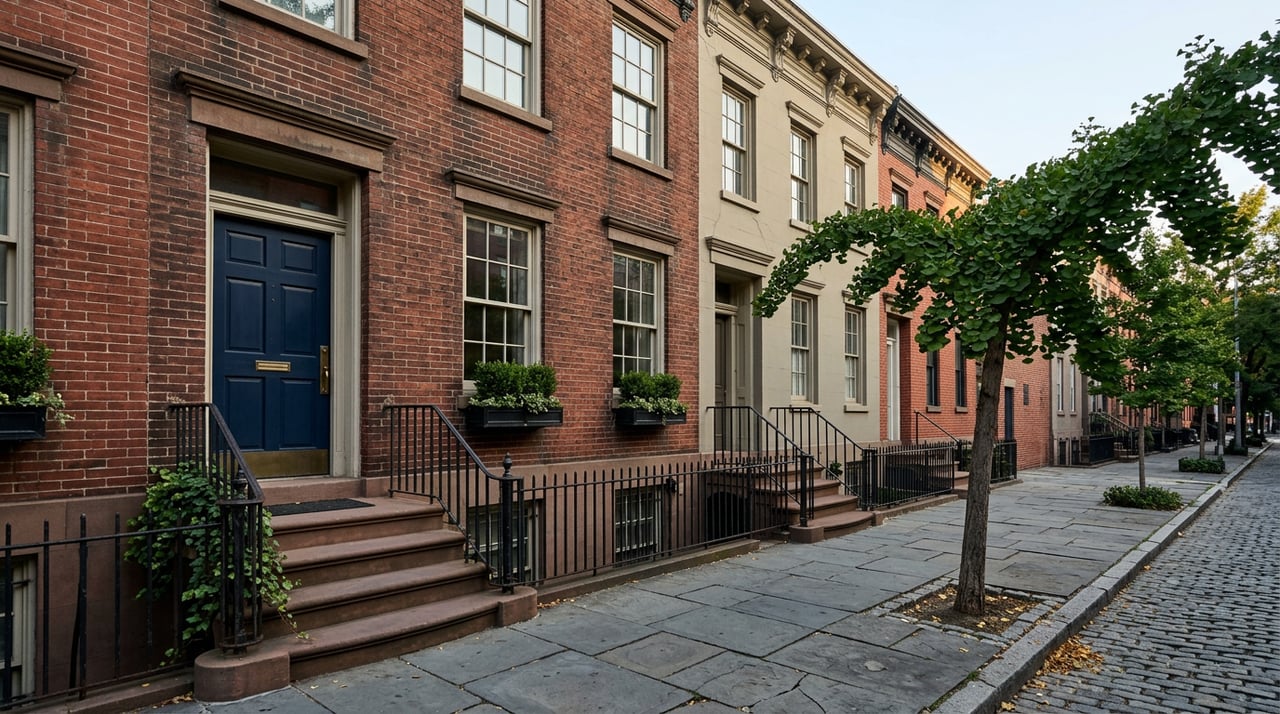
Williamsburg’s interior streets appeal to buyers who want the neighborhood to feel more block-by-block and building-by-building. City planning documents describe the interior and Northside areas around Bedford, Berry, Kent, Grand, Metropolitan, and Union as a lively commercial and residential core.
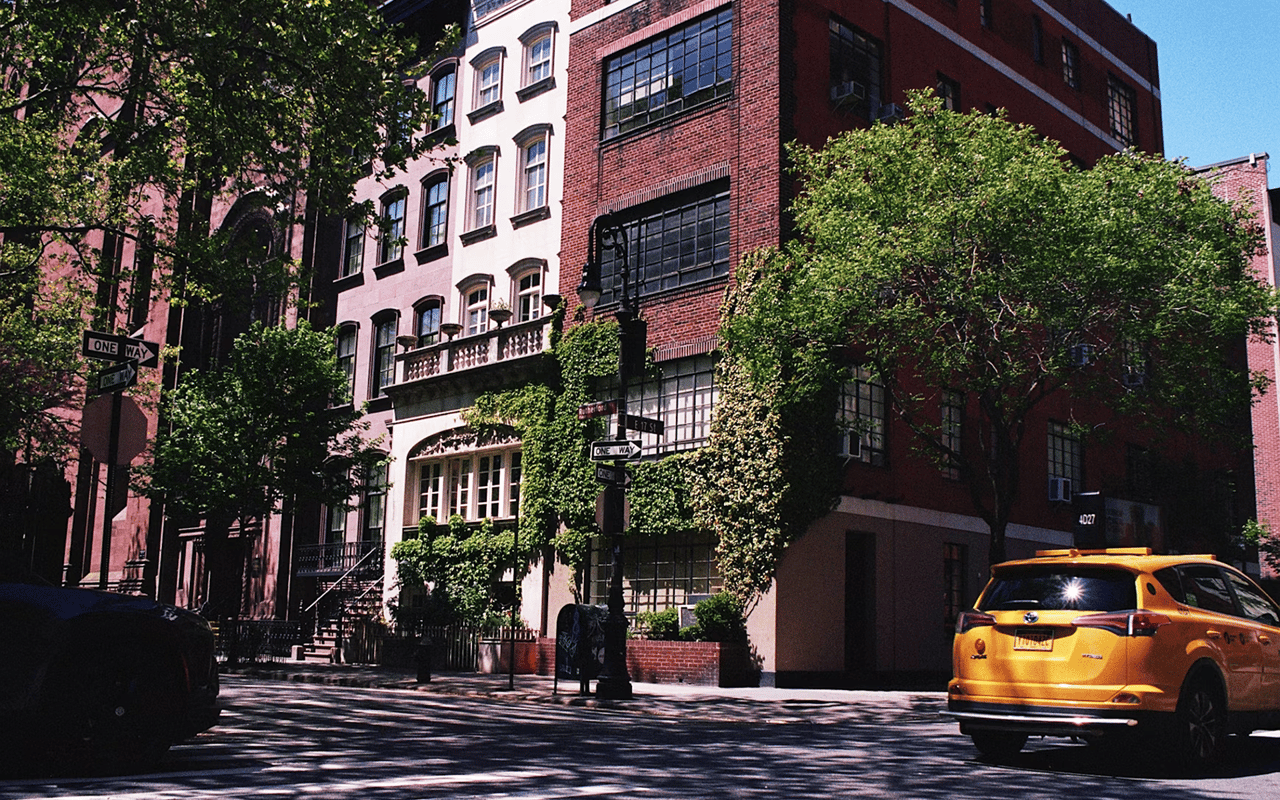
These areas include shops, restaurants, and bars on Bedford Avenue, plus many blocks made up mostly of three- to four-story residential buildings and converted industrial structures. The result is often a more varied streetscape than the tower corridor.
Transit is a major strength
For many buyers, the interior core wins on subway convenience. MTA identifies the Bedford Avenue L station as ADA accessible, notes that the Metropolitan Avenue-Lorimer Street G and L stations are now accessible, and says the Marcy Avenue J, M, and Z station was renovated in 2023.
That range of line coverage matters if you want redundancy in your commute. Williamsburg’s interior core is served by the L, G, J, M, and Z lines, which can make daily movement more flexible.
The housing stock feels more varied
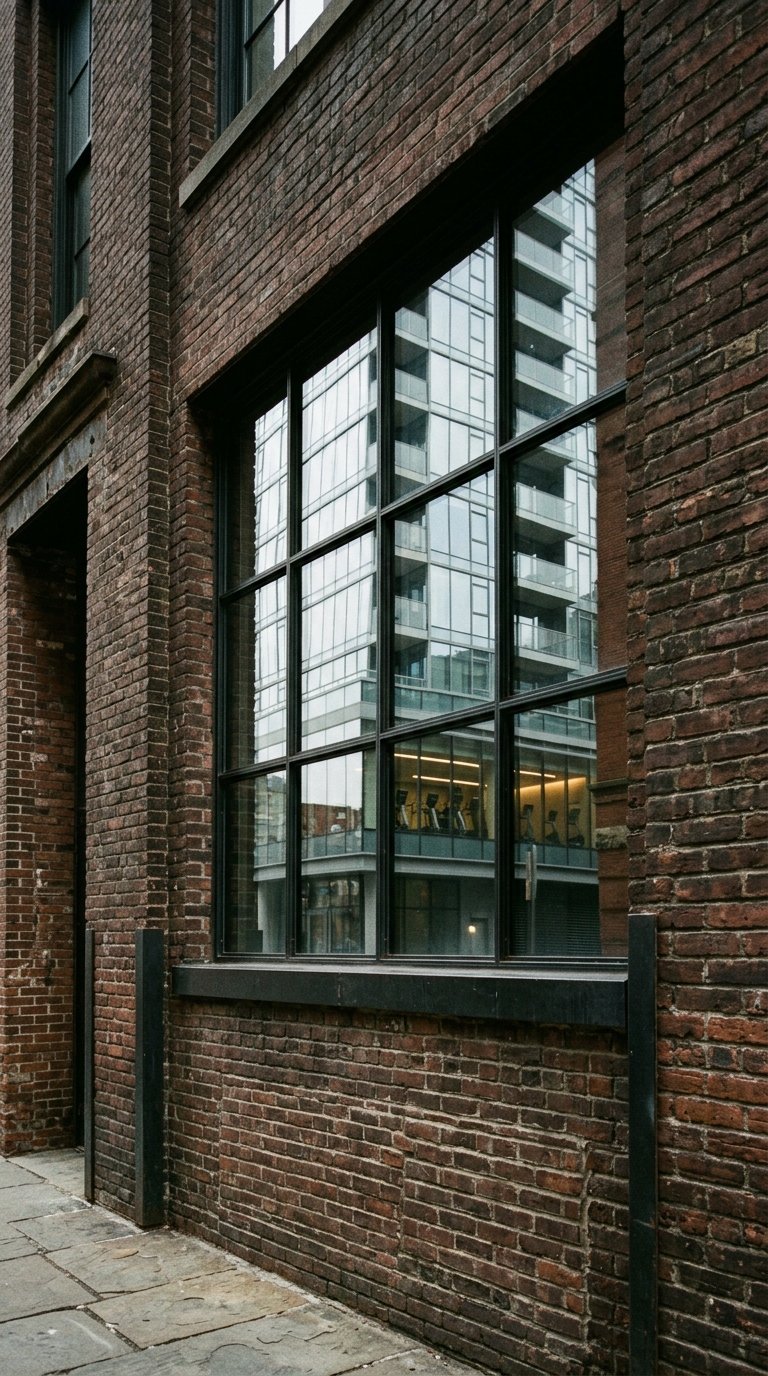
City planning materials note that blocks between Berry Street and Kent Avenue, and between North 3rd and North 9th Streets, contain numerous loft buildings already converted to residential use. Along with walk-ups and smaller residential buildings, that creates a more layered housing mix.
For buyers who care about architecture and individuality, this can be a major draw. The appeal is often less about a standardized building package and more about layout, texture, and the feel of a specific block.
Interior living can feel more neighborhood-driven
On interior streets, the value proposition is usually tied to character, location, and access to neighborhood retail. Instead of leaning on a building-wide amenity stack, these homes often compete on proximity, layout, and the surrounding street environment.
That can suit buyers who want Williamsburg itself to be the amenity. If you prefer neighborhood energy over a full-service tower experience, the interior core may feel more natural.
Interior trade-offs to keep in mind
Interior Williamsburg is not automatically quieter or easier. It simply offers a different set of variables.
Quiet depends on the exact block
Noise and street activity are highly block-specific. Bedford Avenue is described as a lively stretch of shops, restaurants, and bars, while some blocks south and west of the Northside core mix industrial, automotive, and residential uses.
If a quieter atmosphere matters to you, focus your search on side streets rather than assuming all interior locations will feel the same. In Williamsburg, one or two blocks can make a meaningful difference.
Amenities are usually lighter
Compared with waterfront towers, interior buildings generally offer less of the all-in-one service package. That does not make them less desirable, but it does change the decision.
You may gain character and location while giving up features like concierge service, extensive resident lounges, or a deep fitness offering. The key is knowing which side of that trade matters more in your daily life.
Loft due diligence can be specialized
If a converted loft is on your shortlist, documentation matters. NYC DOB explains that the Loft Law covers certain former manufacturing or commercial buildings converted to residential use, and legalization can involve Loft Board oversight, Certificate of Occupancy work, and DOB alteration filings.
That does not mean converted lofts are a bad option. It means you should confirm the certificate-of-occupancy trail and understand whether the building is subject to Loft Board oversight before moving forward.
How to compare the two options
The smartest Williamsburg buyers do not stop at labels. “Waterfront” and “interior” are useful starting points, but they do not tell you enough on their own.
Compare your real daily routine
Think about how you actually live, not how a building is marketed. Ask yourself where you work, how often you use the subway, whether you want a ferry option, and how much value you place on in-building amenities.
A waterfront tower may fit you best if you want a newer building, broad amenities, and open-space access. An interior street may fit you better if you prioritize transit convenience, architectural character, and a more block-specific neighborhood feel.
Evaluate resale through the same lens
In this market, clear pricing and a clear story matter. With a 94% sale-to-list ratio and median days on market of 54, buyers appear to have room to compare tower to tower and block to block.
Waterfront resale may lean more on brand, views, new systems, and amenity depth. Interior resale may lean more on scarcity, loft character, and position within Williamsburg’s retail and transit core.
Focus on the details that really affect value
The biggest takeaway is simple: the label alone does not determine value. Block quality, building condition, transit backup, flood exposure, and how well the home supports your routine matter more than simply choosing “waterfront” or “interior.”
In a nuanced neighborhood like Williamsburg, the strongest purchase is usually the one where the location, building, and daily use case all line up. That is where careful guidance makes a real difference.
If you are weighing Williamsburg options and want a more strategic read on the trade-offs, The De Niro Team can help you compare buildings, blocks, and resale potential with the discretion and clarity that complex NYC purchases demand.
FAQs
What is the main difference between Williamsburg waterfront towers and interior streets?
- Waterfront towers usually offer newer construction, larger amenity packages, and more direct access to waterfront open space, while interior streets often offer stronger subway access, more varied architecture, and a more block-specific neighborhood feel.
Are Williamsburg waterfront condos always a better investment?
- Not necessarily. Waterfront homes may benefit from views, newer systems, and amenity depth, but buyers should also weigh flood-zone exposure, competing inventory, and building-specific management and positioning.
Are interior Williamsburg streets quieter than the waterfront?
- Often, but it depends heavily on the block. Bedford Avenue is busy, and some nearby areas mix industrial, automotive, and residential uses, so quieter options are often found on side streets rather than main corridors.
What should you check before buying a Williamsburg waterfront home?
- Verify flood-zone status, understand possible flood-insurance implications, and map out your real transit options, including walking distance to subway lines, ferry access, and any building shuttle service.
What should you verify before buying a converted loft in Williamsburg?
- Confirm the certificate-of-occupancy history and whether the building falls under Loft Board oversight, since some former commercial or manufacturing buildings require specialized legalization and filing review.