If you picture classic Brooklyn living, chances are you are picturing Park Slope. For many buyers, the appeal is not just the look of a brownstone block, but the way architecture, daily life, and long-term value come together in one of New York’s most established residential neighborhoods. If you are considering a move to Park Slope, understanding how these pieces fit can help you make a smarter decision. Let’s take a closer look.
Why Park Slope Brownstone Living Stands Out
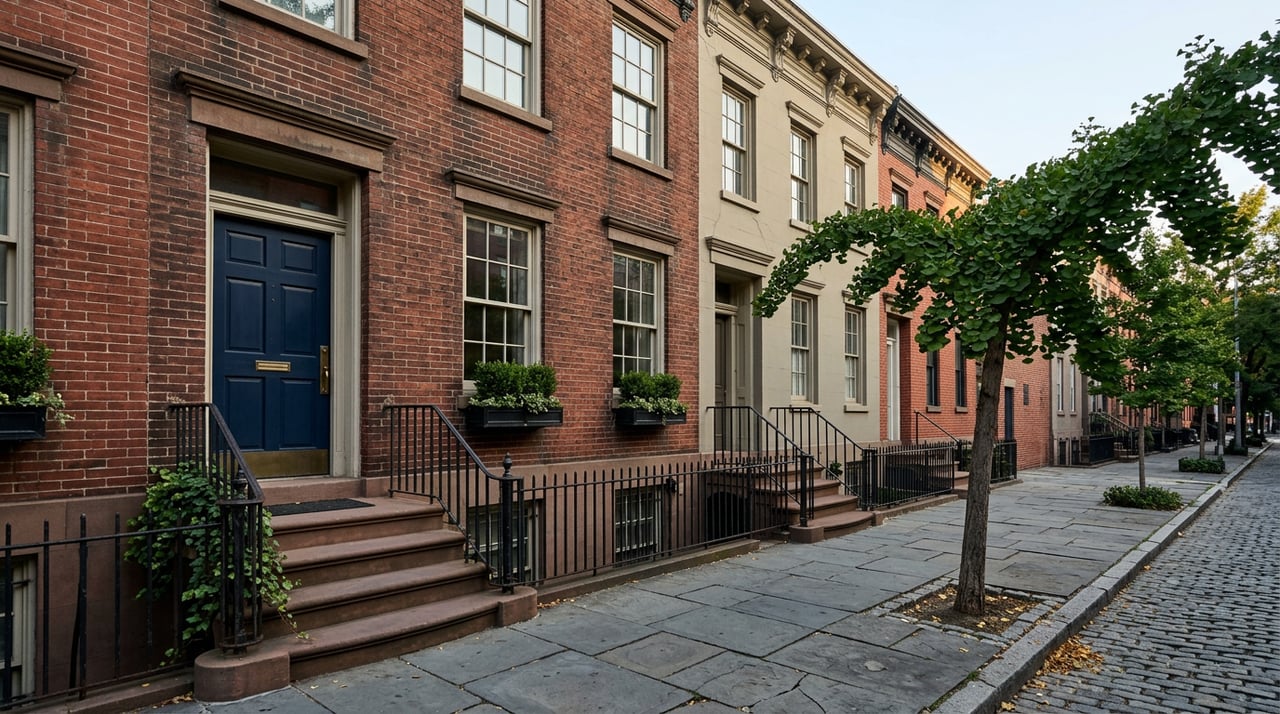
Park Slope is widely known for its rowhouse streetscapes, but the neighborhood’s appeal runs deeper than curb appeal alone. NYC Planning describes the area as predominantly residential and defined by late-19th- and early-20th-century rowhouses with architectural significance.
That historic character is not accidental. The original Park Slope Historic District was established in 1973 and includes 44 blocks, and a 2016 extension added 292 buildings. Together, those protections help preserve the look and scale that continue to draw buyers to the neighborhood.
Brownstones Are Part of a Bigger Architectural Story
In Park Slope, the term “brownstone” is often used as shorthand for the neighborhood’s classic rowhouse setting. In reality, the architecture is more varied than many buyers expect.
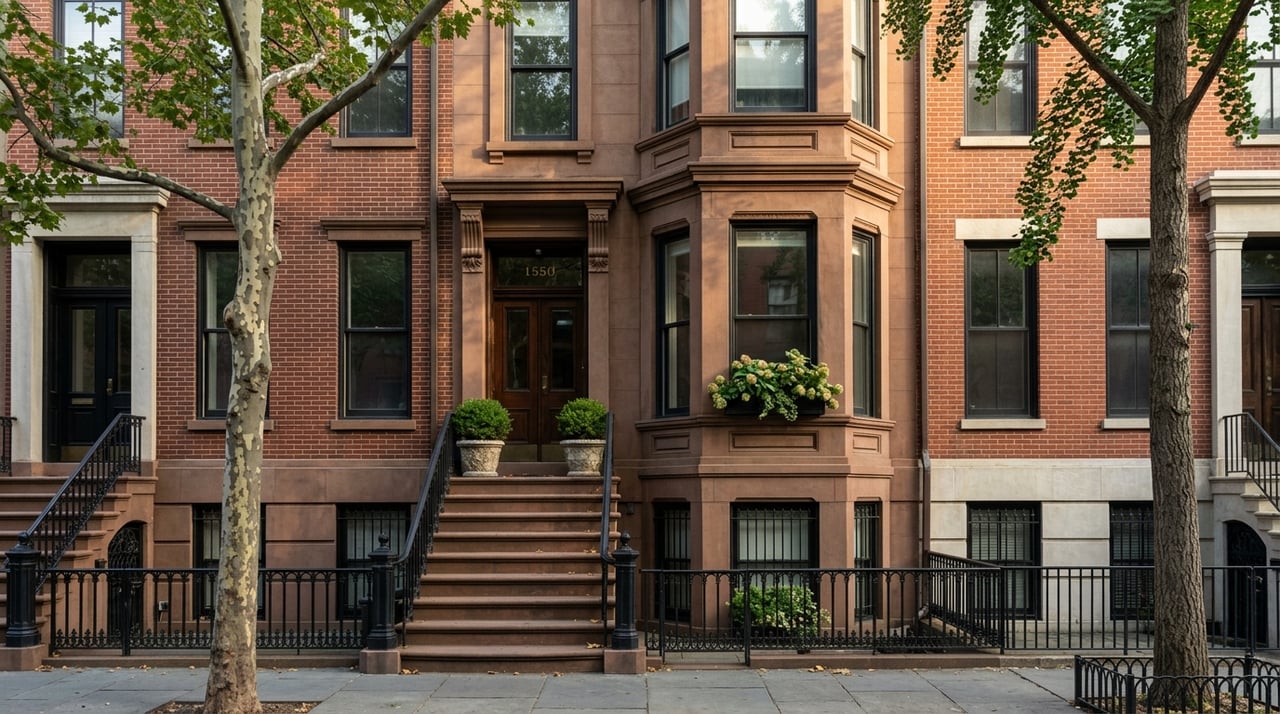
According to the Landmarks Preservation Commission, the neighborhood includes Italianate, Anglo-Italianate, French Second Empire, Neo-Grec, Queen Anne, Romanesque Revival, Beaux-Arts, Colonial Revival, and later apartment-house styles. You will also see details like stoops, cast-iron railings, recessed entries, projecting cornices, round-arched openings, and mansard roofs.
That mix is part of what gives Park Slope its texture. Even when two blocks feel similarly “brownstone,” the building styles, façade materials, and proportions can differ in meaningful ways.
Are all Park Slope homes true brownstones?
Not necessarily. Some homes have brownstone façades, while others are brick, stone, or part of apartment-house buildings that still contribute to the same cohesive streetscape.
For buyers, that matters because the charm of Park Slope often comes from the full block face, not just one material. You are often buying into a protected architectural setting as much as an individual home.
How Landmark Status Affects Ownership
One of Park Slope’s biggest advantages is also one of its biggest considerations. As a landmark district, much of the neighborhood’s built form is protected.
The Landmarks Preservation Commission says owners in historic districts generally must obtain approval before making most exterior alterations. At the same time, landmark designation does not freeze a building in place, and ordinary repairs plus most interior alterations generally do not require review.
This is important if you are planning work after closing. A façade update, window replacement, or exterior addition may involve a more formal process, while many interior changes may not.
Why this can support long-term appeal
For many buyers, landmark status is a tradeoff worth understanding. The process can add planning requirements, but it also helps protect the streetscape that makes the neighborhood so desirable.
NYC Planning notes that current zoning goals in Park Slope include preserving historic scale and limiting out-of-scale building forms, abrupt streetwall breaks, curb cuts, and front-yard parking. In practical terms, that helps maintain visual continuity over time.
The Lifestyle Side of Park Slope
Architecture may get the attention first, but daily life is a major part of the value. Park Slope offers a combination of residential calm, walkable errands, and access to one of New York’s great public landscapes.
Prospect Park is central to that experience. Prospect Park Alliance describes it as a 585-acre destination with the Ravine, Long Meadow, the Lake, the Lena Horne Bandshell, playgrounds, and tennis facilities.
That kind of open space changes how a neighborhood feels. Instead of relying on small green pockets, you have access to a major park that supports everyday routines as well as weekends.
Retail and street life feel local
Park Slope’s commercial activity is concentrated along Fifth Avenue and Seventh Avenue. NYC Planning describes these as the main commercial corridors, with four- to six-story buildings that place retail at street level and apartments above.
The mix of businesses helps reinforce a neighborhood-scale rhythm. The Seventh Avenue business directory includes cafés, bookstores, food shops, home-and-garden stores, pet services, and other everyday uses, while the Fifth Avenue BID supports street cleanliness and neighborhood events.
The Park Slope Food Coop adds another layer to that local identity. Founded in 1973, it describes itself as the world’s oldest and largest member-labor-required cooperative grocery store.
Not Every Block Feels the Same
One of the biggest mistakes buyers make is treating Park Slope as a single experience. In reality, block type can shape your day-to-day life almost as much as the home itself.
The classic Park Slope block is a rowhouse block with narrow lots, stoops, and low-rise façades. The Landmarks Preservation Commission notes that rowhouses became the predominant housing type because they offered privacy and space while remaining more compact and affordable to build than detached homes.
But there are important variations across the neighborhood. Prospect Park West includes a mix of rowhouses and mid-rise apartment houses facing the park, while Fourth Avenue is wider, more transit-oriented, and more development- and auto-oriented.
How buyers should think about block choice
A park-facing address can feel more open and visually prominent. An interior midblock often feels quieter and more residential, with the historic scale more fully expressed.
Avenue locations can offer easier access to shops, services, and mixed-use convenience. That can be a major plus if you value being close to daily needs, but it may create a different atmosphere than a rowhouse midblock.
In other words, you are not only choosing Park Slope. You are choosing the version of Park Slope that best fits how you want to live.
What Drives Value in Park Slope
In a neighborhood like Park Slope, value is shaped by more than square footage alone. Buyers are often responding to a combination of architecture, block quality, access to open space, and the stability of the surrounding built environment.
According to the research, the main long-term value drivers include architectural integrity, protected streetscapes, proximity to Prospect Park, neighborhood-serving retail, and transit access. These are not flashy features, but they are the kinds of fundamentals that tend to remain meaningful over time.
Scarcity also plays a role. Park Slope offers a dense historic rowhouse fabric that is difficult to replicate elsewhere in New York, especially at this scale and with this level of preservation.
Why preserved character matters
When buyers talk about “good bones” in a neighborhood, they are often describing exactly what Park Slope has. The zoning and landmark framework help support a sense of continuity that many areas cannot match.
That does not mean every property is interchangeable. Homes with stronger original detail, better light, more desirable block positions, or closer access to Prospect Park may command more attention.
Smart Buyer Considerations Before You Commit
If you are evaluating a Park Slope townhouse, co-op, condo, or apartment in a historic building, it helps to look beyond the listing photos. The block, building type, and renovation path all matter.
A thoughtful buying process often includes questions like these:
- Is the property in the historic district?
- If so, what exterior work may require LPC review?
- Is the home on a quieter interior block, a park-facing block, or a mixed-use avenue?
- How much original architectural detail remains?
- Does the building type match your lifestyle, including stairs, layout, and maintenance expectations?
These questions are especially important in Park Slope because two homes with similar price points can offer very different ownership experiences.
Why Park Slope Continues to Draw Buyers
For many New York buyers, Park Slope offers a rare balance. You get city convenience, a strong neighborhood identity, substantial park access, and a residential streetscape that feels rooted and enduring.
That combination helps explain why the neighborhood remains so sought after. The appeal is not based on trend alone. It is built on tangible qualities that shape daily life and support long-term desirability.
If you are weighing Park Slope against other Brooklyn or Manhattan options, the real question is often not whether the neighborhood is appealing. It is whether you want a home where architecture and block context play such a central role in the living experience.
When you are ready to evaluate Park Slope with a sharper eye, The De Niro Team offers discreet, informed guidance grounded in deep New York City market knowledge.
FAQs
What does brownstone living in Park Slope really mean?
- In Park Slope, “brownstone” often refers to the broader rowhouse lifestyle and streetscape, not only homes with literal brownstone façades.
Does landmark status in Park Slope prevent renovations?
- No. Landmark status generally means most exterior changes need Landmarks Preservation Commission approval, while ordinary repairs and most interior alterations usually do not.
What makes one Park Slope block feel different from another?
- Park-facing blocks, interior rowhouse midblocks, and avenue corridors each offer a different mix of openness, quiet, historic character, retail access, and transit convenience.
Why do Park Slope homes tend to hold appeal over time?
- The neighborhood’s long-term appeal is supported by architectural integrity, protected streetscapes, access to Prospect Park, neighborhood-serving retail, and transit access.
Are there only rowhouses in Park Slope?
- No. Park Slope includes rowhouses as well as apartment-house buildings and multiple dwellings, so buyers have a wider range of property types than the nickname might suggest.