Keyed Parks in Manhattan: Where They Are and How to Get In
Keyed parks in Manhattan are semi-private, restricted-access gardens maintained by local neighborhood associations or residential co-ops. Found in exclusive enclaves like Gramercy Park, Turtle Bay Gardens, and Sniffen Court, access is granted exclusively to property owners on qualifying blocks who pay annual maintenance dues.
Interested in Properties with Keyed Park Access?
Select your primary search path to review active listings and historic townhouse opportunities:
Direct client advisory: Contact Raphael De Niro
Keyed Park / Enclave | Location / Boundaries | Park Type & Access Model | Primary Real Estate Available |
|---|---|---|---|
Gramercy Park | E 20th St to E 21st St, Gramercy Park E & W | Private 2-acre fenced park; annual key fee | Pre-war co-ops, historic luxury townhouses |
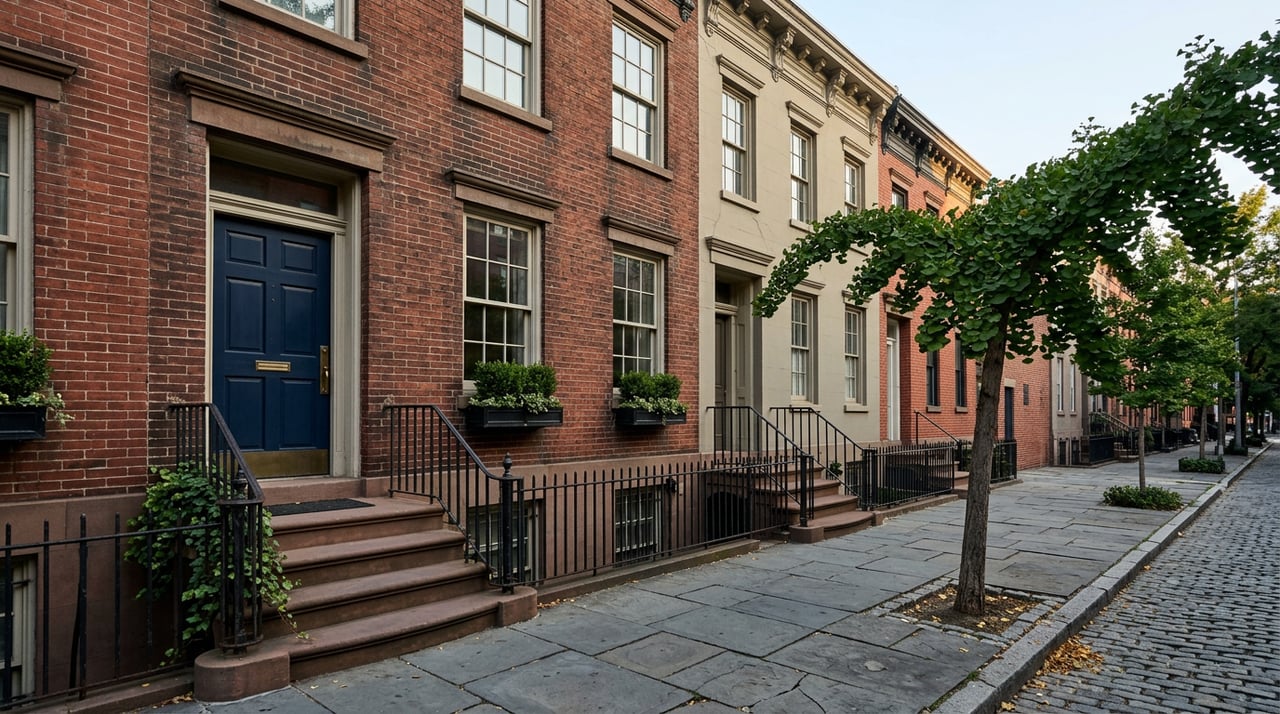
Turtle Bay Gardens | E 48th St to E 49th St, 2nd Ave to 1st Ave | Shared interior garden behind 20 townhouses | Historic 19th-century brownstones |
Sniffen Court | E 35th St, between 3rd Ave & Lexington Ave | Gated historic mews court | Converted historic carriage houses |
Sunnyside Gardens | Sunnyside, Queens (Historic District) | Communal interior courtyard gardens | Brick row houses & multi-family homes |
In a city defined by vertical living and high density, private outdoor space is one of Manhattan's rarest luxuries. While Central Park, Riverside Park, and Bryant Park anchor the city's public green spaces, there is a quieter, more exclusive category of outdoor sanctuary woven into select neighborhoods: keyed parks.
These semi-private gardens represent one of Manhattan's most coveted lifestyle amenities. Keyed parks enhance property value, exclusivity, and daily quality of life for discerning buyers exploring townhouses, brownstones, or select pre-war cooperatives.
What Is a Keyed Park?
A keyed park is a private or semi-private garden space typically maintained by a neighborhood association or cooperative group of surrounding homeowners. Access is restricted to residents who live on designated blocks and who pay annual dues for a key.
Unlike public parks managed by the New York City Department of Parks & Recreation, keyed parks operate independently. They are gated, beautifully landscaped, and preserved to offer a tranquil retreat away from the city's urban pace.
Prime Keyed Parks and Exclusive Enclaves in Manhattan
Gramercy Park: Manhattan's Most Iconic Private Garden
Gramercy Park is Manhattan's only entirely private park. Established in 1831, this historic two-acre park located between East 20th and East 21st Streets remains accessible exclusively to residents of 39 surrounding lot numbers and select institutions.
Keys are strictly regulated. Property owners who qualify may purchase a key for an annual fee, with lost keys incurring heavy penalties. Townhouses and cooperative apartments directly overlooking Gramercy Park consistently command premium pricing.
- Gramercy Park Location: Gramercy Park North, South, East, and West, New York, NY 10003.
- Nearby Practical Amenity: Morton Williams Supermarket, 278 1st Avenue, open 24 hours.
Turtle Bay Gardens: A Hidden Midtown Sanctuary
Tucked between East 48th and East 49th Streets, from Second Avenue to First Avenue, Turtle Bay Gardens offers an exclusive shared garden behind a collection of 20 historic 19th-century brownstones. Residents whose homes back onto the garden share access to landscaped pathways, mature trees, and central fountains.
- Turtle Bay Gardens Location: 226-246 East 49th Street & 227-247 East 48th Street, New York, NY 10017.
- Nearby Practical Amenity: Dag Hammarskjold Plaza Greenmarket, E 47th St & 2nd Ave, open Wednesdays 8:00 AM to 3:00 PM.
Sniffen Court: A Secluded Mews in Murray Hill
Located off East 36th Street between Third and Lexington Avenues, Sniffen Court is a landmarked mews featuring ten historic carriage houses built in the 1860s. Secured by a private wrought-iron gate, this enclosed court provides quiet community living in Murray Hill.
Sunnyside Gardens: Shared Greenery in Neighboring Queens
While located in Queens, Sunnyside Gardens is frequently cited when discussing communal green spaces. Designed in the 1920s, this historic planned community features shared interior courtyard gardens for designated block residents.
How to Obtain Access to a Keyed Park
Access to a keyed park cannot be applied for independently; it is tied directly to property ownership or legal tenancy within designated boundaries.
- Purchase or rent an eligible property within the park's designated geographic boundaries.
- Verify deeded garden rights or unit eligibility through the managing cooperative board or association.
- Pay required annual maintenance dues and registration fees.
- Obtain and safeguard the registered physical key.
Value, Exclusivity, and Lifestyle Appeal in Luxury Real Estate
Market Value Impact
In Manhattan, where private outdoor space is exceptionally scarce, access to a keyed park functions as a direct extension of a home's living area. Deeded garden rights or Gramercy Park key eligibility significantly increase market demand, positioning these properties at the top tier of Manhattan real estate valuations.
Lifestyle and Privacy Benefits
Keyed parks offer controlled access, reduced foot traffic, meticulous landscape maintenance, and a strong sense of community among neighboring residents. They provide secure play areas for families and quiet retreats for professionals seeking respite from urban noise.
Key Considerations Before Purchasing Keyed Park Properties
- Annual dues vary by association and are subject to periodic increases for park upkeep.
- Strict regulations govern guest policies, photography, pet access, and event hosting.
- Exterior building modifications or rear-facade renovations on facing properties require approval from historical preservation boards.
- Property inventory surrounding keyed parks is extremely limited, often leading to competitive bidding environments.
Market Expertise Powered by De Niro Team
Raphael De Niro | Founder & Managing Director, De Niro Team at Douglas Elliman Real Estate
NY Real Estate Broker License #10351201284 | Over $5 Billion in career residential real estate transactions across Manhattan, Brooklyn, and luxury global markets.
The De Niro Team provides specialized advisory services for historic brownstones, luxury co-ops, and properties with private garden rights across Manhattan.
Frequently Asked Questions About Manhattan Keyed Parks
Are keyed parks open to the public at any time?
Most keyed parks are strictly private. Gramercy Park opens to the public once per year for a Christmas Eve event, but routine entry is restricted to key holders.
Do all buildings around Gramercy Park include park key access?
No. Key privileges are attached to specific, historical lot numbers around Gramercy Park. Real estate eligibility must be verified prior to purchase.
Can renters in eligible buildings access keyed parks?
Key access for renters depends on individual building bylaws and landlord agreements. In some co-ops and townhouses, landlords may transfer key privileges to tenants.
Park histories and property eligibility criteria verified via Gramercy Park Block Association, NYC Landmarks Preservation Commission, and OneKey MLS database.