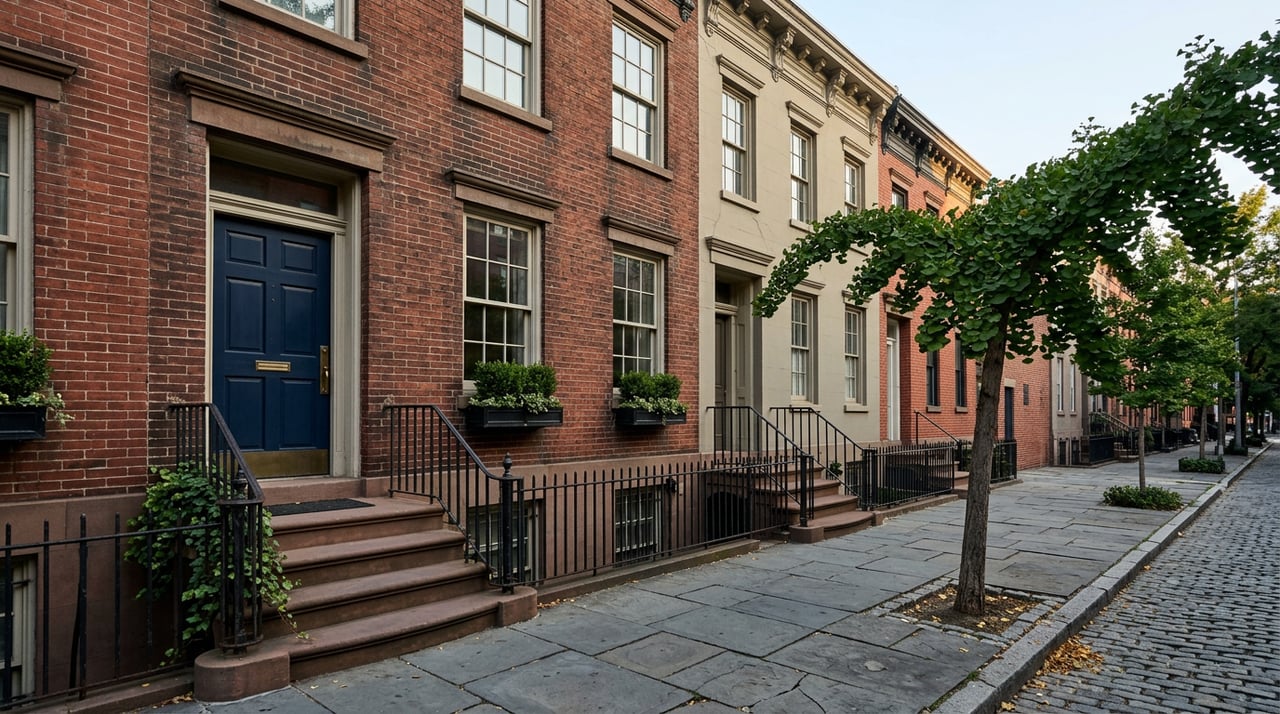
Manhattan real estate has long been synonymous with prestige, power, and opportunity. From the historic charm of the Upper East Side to the sleek modernity of Hudson Yards, every block tells a story of architectural artistry and urban sophistication. For discerning buyers, purchasing a home in Manhattan is not just a financial decision; it’s an investment in lifestyle, legacy, and access to the epicenter of culture and commerce.
Yet, this rarefied market operates by its own set of rules. Whether you’re a first-time buyer or a seasoned investor, understanding how to navigate the city’s intricate real estate landscape is essential. Below, we break down what every buyer should know before beginning their Manhattan home search.
Understanding the Market: Supply, Demand, and Timing
Manhattan’s housing market is unlike any other in the world. Inventory tends to be limited, competition intense, and pricing deeply influenced by both local and global economic forces.
Seasonality plays a role, but the Manhattan market remains active year-round. Spring and fall typically see the highest volume of listings and buyer activity, while summer and winter can offer quieter opportunities for strategic purchasers.
In recent years, luxury new developments have expanded the skyline, introducing modern condominiums with resort-level amenities. At the same time, historic co-ops, often housed in pre-war buildings, continue to attract buyers who appreciate timeless design and community exclusivity.
Working with a seasoned agent who understands neighborhood nuances and market timing is key to identifying value amid the constant motion.
Seasonality plays a role, but the Manhattan market remains active year-round. Spring and fall typically see the highest volume of listings and buyer activity, while summer and winter can offer quieter opportunities for strategic purchasers.
In recent years, luxury new developments have expanded the skyline, introducing modern condominiums with resort-level amenities. At the same time, historic co-ops, often housed in pre-war buildings, continue to attract buyers who appreciate timeless design and community exclusivity.
Working with a seasoned agent who understands neighborhood nuances and market timing is key to identifying value amid the constant motion.
Condo vs. Co-op: Know the Difference
One of the first distinctions buyers must understand is the difference between a condominium and a cooperative apartment.
- Condominiums (Condos): When purchasing a condo, you own the apartment itself and a share of the building’s common spaces. Condos offer greater flexibility in terms of financing, subletting, and ownership by entities such as trusts or LLCs. They tend to attract international buyers, investors, and those who value autonomy.
- Cooperatives (Co-ops): Co-ops comprise roughly 75% of Manhattan’s housing inventory. Instead of owning real estate, you own shares in a corporation that owns the building. The co-op board must approve every buyer, and subletting or renovations may be subject to strict guidelines. While more regulated, co-ops often come with a sense of community and tradition, and sometimes offer a better price per square foot than condos.
Choosing between the two comes down to your lifestyle, investment goals, and how much flexibility you desire in your ownership.
Financial Preparation: Beyond the Purchase Price
In Manhattan, the financial requirements extend beyond a down payment. Buyers should be prepared for additional costs such as closing fees, property taxes, and monthly common charges or maintenance fees.
For Co-ops: Expect a higher down payment, often 20 to 50 percent of the purchase price, and a financial review by the co-op board to ensure you meet liquidity and income standards. Some boards require post-closing liquidity equal to one to two years of maintenance fees and mortgage payments.
For Condos: The approval process is generally more streamlined, though common charges, property taxes, and mortgage recording taxes can add up.
Additional costs to consider include:
For Co-ops: Expect a higher down payment, often 20 to 50 percent of the purchase price, and a financial review by the co-op board to ensure you meet liquidity and income standards. Some boards require post-closing liquidity equal to one to two years of maintenance fees and mortgage payments.
For Condos: The approval process is generally more streamlined, though common charges, property taxes, and mortgage recording taxes can add up.
Additional costs to consider include:
-
Mansion Tax: Applies to properties priced at $1 million and above, on a sliding scale up to 3.9 percent.
-
Title Insurance and Attorney Fees: Essential for protecting your investment.
-
Transfer Taxes and Closing Costs: Particularly relevant for new developments.
Having a real estate advisor who collaborates closely with your financial planner or attorney ensures that no detail is overlooked.
Neighborhoods of Distinction
Each Manhattan neighborhood offers a distinct personality, architectural identity, and pace of life. Choosing the right one means aligning your lifestyle with the area’s character.
-
Upper East Side: Elegant and established, with grand pre-war co-ops, cultural institutions, and proximity to Central Park.
-
Tribeca: Loft living at its finest, where industrial architecture meets contemporary design.
-
SoHo: Chic and fashionable, known for cobblestone streets, art galleries, and luxury boutiques.
-
Greenwich Village: Bohemian charm and tree-lined streets paired with historic brownstones.
-
Hudson Yards and Midtown: Modern developments with skyline views, high-end retail, and cutting-edge amenities.
-
Financial District and Battery Park City: Ideal for those seeking modern waterfront living and quick access to downtown offices.
Each enclave offers its own rhythm. The right real estate advisor can help you discover which one truly feels like home.
The Role of a Real Estate Advisor
Navigating Manhattan’s real estate market without expert guidance can be overwhelming. A top-tier agent not only provides access to the city’s most exclusive listings but also offers the strategic insight needed to secure them.
An experienced advisor will:
An experienced advisor will:
-
Help you understand each building’s culture, financials, and long-term value.
-
Guide you through board approval processes with precision.
-
Negotiate offers and terms to your advantage.
-
Coordinate with attorneys, lenders, and inspectors to streamline the transaction.
For luxury buyers, discretion and access are paramount. Many of Manhattan’s most desirable residences never hit the public market. Partnering with a respected team ensures you’re informed and positioned for success.
Navigating New Developments
Manhattan continues to evolve, with new luxury developments redefining the skyline. From glass-clad towers in Midtown to boutique residences downtown, today’s new buildings offer every imaginable amenity, from private spas and rooftop lounges to concierge-level services.
However, purchasing in a new development requires careful review of offering plans, construction timelines, and resale potential. Understanding developer reputation and financing structures is essential. A seasoned agent can analyze building comparables, ensuring your investment aligns with long-term appreciation trends.
However, purchasing in a new development requires careful review of offering plans, construction timelines, and resale potential. Understanding developer reputation and financing structures is essential. A seasoned agent can analyze building comparables, ensuring your investment aligns with long-term appreciation trends.
Lifestyle Considerations
Beyond square footage and finishes, Manhattan living is about experience. Consider how proximity to schools, restaurants, art galleries, and parks will shape your daily rhythm.
For many, the ability to walk to Central Park in the morning, dine in Michelin-starred restaurants by evening, and enjoy a vibrant cultural calendar is part of the city’s allure. Others value the privacy and tranquility of a high-rise retreat above the skyline.
Work-life balance, transportation, and access to amenities all influence property choice. Your home should reflect not only your taste but also the way you aspire to live.
For many, the ability to walk to Central Park in the morning, dine in Michelin-starred restaurants by evening, and enjoy a vibrant cultural calendar is part of the city’s allure. Others value the privacy and tranquility of a high-rise retreat above the skyline.
Work-life balance, transportation, and access to amenities all influence property choice. Your home should reflect not only your taste but also the way you aspire to live.
The Path to Ownership
Once you’ve identified the right property, the buying process moves swiftly. Offers are typically made in writing through your agent, and once accepted, your attorney conducts due diligence before contracts are signed.
Expect a 10 percent contract deposit and a 30- to 60-day closing window, depending on the transaction type. Co-op board approvals can extend the process, while cash purchases or condo deals may close more quickly.
Your agent will coordinate inspections, appraisals, and communications with all parties to ensure a seamless experience. In Manhattan, every detail matters, from financial disclosures to board interviews, and having an advocate who knows the system inside out can make all the difference.
Expect a 10 percent contract deposit and a 30- to 60-day closing window, depending on the transaction type. Co-op board approvals can extend the process, while cash purchases or condo deals may close more quickly.
Your agent will coordinate inspections, appraisals, and communications with all parties to ensure a seamless experience. In Manhattan, every detail matters, from financial disclosures to board interviews, and having an advocate who knows the system inside out can make all the difference.
A Legacy of Manhattan Living
Owning a home in Manhattan represents more than prestige; it’s a commitment to a lifestyle at the heart of the world’s most dynamic city. The market rewards patience, preparation, and partnership with experts who know how to navigate its intricacies.
Whether you envision a glass penthouse overlooking Central Park or a classic co-op on Park Avenue, the journey begins with the right guidance.
Whether you envision a glass penthouse overlooking Central Park or a classic co-op on Park Avenue, the journey begins with the right guidance.
Partner with The De Niro Team
When buying a home in Manhattan, experience, discretion, and deep market insight are invaluable. The De Niro Team, one of New York’s most respected real estate groups, offers an unparalleled level of service and expertise. With decades of experience in luxury property transactions, they provide a bespoke buying experience rooted in integrity and results.
Discover your next home with confidence. Visit The De Niro Team to begin your search for exceptional Manhattan real estate.
Discover your next home with confidence. Visit The De Niro Team to begin your search for exceptional Manhattan real estate.